
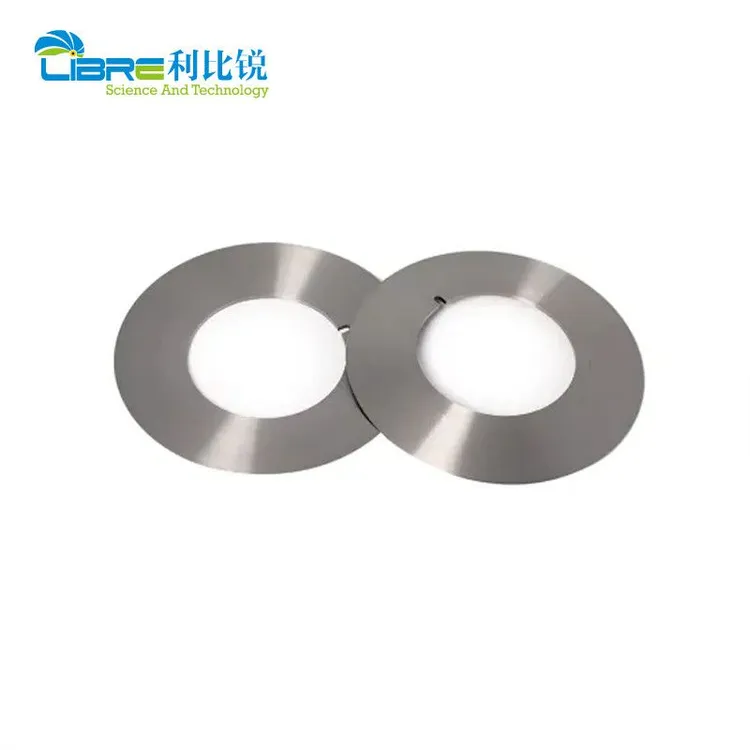
Tobacco Cutting Blade Sharpening and Refurbishment Guide
Cutting blades are one of the highest recurring costs in tobacco processing. A well-managed sharpening and refurbishment program can extend blade life by 300-500%, significantly reducing annual expenditure. This guide covers when to sharpen, when to replace, and how to set up an effective blade management system.
Sharpen vs Replace: Decision Framework
| Blade Condition | Action | Cost | Life Remaining |
|---|---|---|---|
| Edge dulled, no damage | Sharpen | Low | 80-90% |
| Minor edge chipping | Regrind | Medium | 50-70% |
| Significant chipping/wear | Refurbish | Medium-high | 30-50% |
| Cracked, heat-damaged | Replace | High | 100% (new) |
Recommended Grinding Parameters
- Angle: 25-30° for tobacco cutting blades (softer angle produces cleaner cut through tobacco lamina)
- Wheel grit: 120-180 grit for carbide blades, 80-120 for HSS blades
- Feed rate: 0.01-0.02mm per pass for carbide, 0.02-0.05mm for HSS
- Coolant: Flood coolant mandatory for carbide to prevent thermal cracking
- Finish: 0.4μm Ra or better for optimal cutting performance
Number of Times a Blade Can Be Reground
- HSS blades: 5-8 regrinds before material thickness exhausted
- Tungsten carbide blades: 3-5 regrinds (carbide is harder but thinner)
- Tipped blades: 2-3 regrinds (brazed tip limitation)
Inspection Criteria
- Edge sharpness: should slice paper cleanly with minimal pressure
- Visible chips: any chip >0.1mm requires regrind
- Hardness check: surface hardness should be within HRC 1 of specification
- Geometry: angle within ±1° of specification, symmetry within 0.05mm
Cost Analysis Example (Annual)
- Without sharpening program: 500 blades/year × $80 = $40,000
- With sharpening program: 100 new blades + 400 sharpenings × $15 = $14,000
- Annual savings: $26,000 (65% reduction)
Contact our blade refurbishment team for sharpening and regrinding services.
