
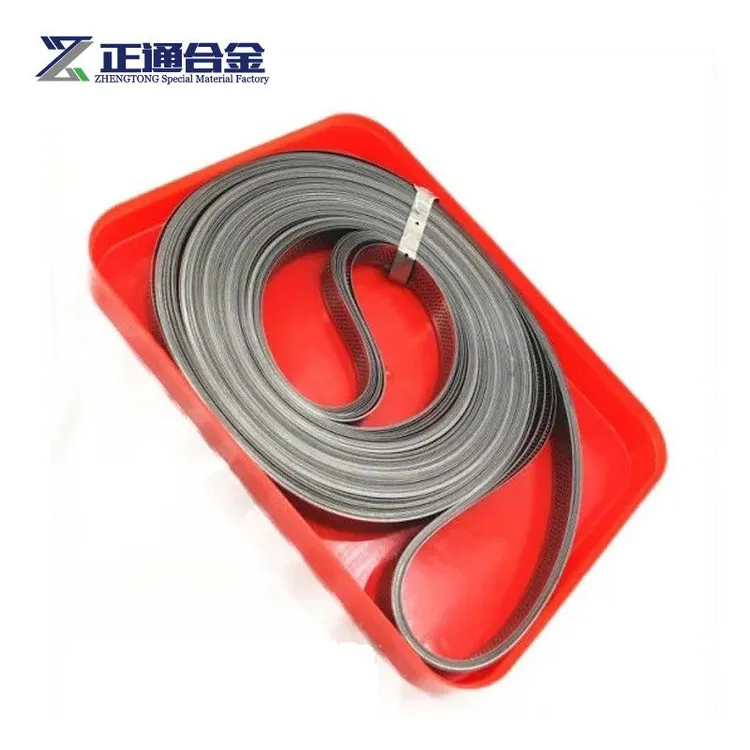
Understanding the Critical Role of Molins Packaging Parts in Modern Operations
In the high-speed world of industrial packaging, the reliability of machinery is paramount, and molins packaging parts serve as the backbone of operational continuity. When production lines halt due to component failure, the financial implications extend far beyond the immediate cost of repairs. Downtime disrupts supply chains, delays product launches, and erodes customer trust. Therefore, understanding the specific mechanical requirements of Molins equipment is not merely a maintenance task but a strategic business imperative. By prioritizing the integrity of these components, facility managers can ensure that their packaging operations run at peak efficiency, minimizing waste and maximizing throughput.
The complexity of modern packaging lines demands a nuanced understanding of how individual components interact within the larger system. Whether it is the precise timing of a cam mechanism or the consistent feed of materials through a roller system, every molins spare parts element plays a pivotal role in maintaining synchronization. A minor deviation in tolerance can lead to cascading failures, resulting in misaligned seals, improper labeling, or even catastrophic machine jams. Consequently, selecting the right components and adhering to strict maintenance protocols are essential for sustaining the longevity of the equipment and ensuring consistent product quality.
Furthermore, the transition from traditional mechanical systems to more automated, digitally integrated packaging solutions has increased the sophistication of molins parts. Modern operators must be adept at identifying subtle signs of wear and tear, such as micro-fractures in metal components or degradation in rubber seals, before they escalate into major failures. This proactive approach requires a deep technical knowledge of the machinery and access to high-quality replacement components. By investing in reliable parts and expert technical guidance, businesses can safeguard their production capabilities against the unpredictable nature of industrial wear and tear.
Ultimately, the goal of any packaging operation is to deliver consistent, high-quality products to the market with minimal interruption. Achieving this requires a holistic view of maintenance that encompasses not just reactive repairs but also preventive strategies and strategic sourcing. By focusing on the specific needs of Molins machinery, operators can create a robust maintenance framework that supports continuous production. This guide aims to provide a comprehensive overview of the key components, maintenance strategies, and quality standards associated with Molins packaging systems, empowering businesses to make informed decisions that enhance their operational resilience.
Impact of Downtime on Packaging Efficiency
Downtime is the silent killer of profitability in the packaging industry, where every second of inactivity translates directly into lost revenue. When a Molins machine stops, the entire production line often comes to a halt, creating a bottleneck that affects downstream processes. The cost of downtime is multifaceted, including lost labor hours, wasted raw materials, and the potential penalty for missing delivery deadlines. For high-volume operations, even a few hours of unplanned stoppage can result in significant financial losses, making the prevention of such events a top priority for management.
Moreover, frequent downtime disrupts the rhythm of the workforce, leading to decreased morale and increased stress among operators. When machines are unreliable, workers spend more time troubleshooting and less time optimizing performance, which can lead to a culture of reactivity rather than proactivity. This shift in focus can negatively impact the overall efficiency of the facility, as attention is diverted from strategic improvements to constant fire-fighting. By ensuring the reliability of molins packaging parts, companies can foster a more stable and productive work environment.
OEM vs. Aftermarket Quality Standards
One of the most critical decisions in maintenance is choosing between Original Equipment Manufacturer (OEM) parts and aftermarket alternatives. OEM parts are designed and manufactured to the exact specifications of the original machine, ensuring perfect fit and performance. While they often come at a premium price, they offer a level of reliability and warranty protection that is difficult to match. For critical components such as cam mechanisms and sealing heads, many operators prefer OEM parts to minimize the risk of failure and maintain the machine's original performance standards.
On the other hand, aftermarket parts can offer significant cost savings, particularly for non-critical components or during budget constraints. However, the quality of aftermarket parts can vary widely, and it is essential to source them from reputable suppliers who adhere to strict quality control standards. Some aftermarket manufacturers even exceed OEM specifications, offering improved materials or designs that enhance durability. The key is to conduct thorough due diligence, evaluating the supplier's reputation, testing protocols, and customer feedback before making a purchase. By balancing cost considerations with quality assurance, businesses can optimize their maintenance budgets without compromising machine performance.
Comprehensive Guide to Molins M Series Components
The Molins M Series, including models like the M8 and M10, has long been a staple in the packaging industry, known for its robustness and versatility. These machines rely on a complex array of molins parts to handle a wide variety of packaging formats, from cartons to pouches. Understanding the specific components of these machines is essential for maintaining their performance. The M Series is particularly valued for its precision engineering, which allows for high-speed operation with minimal vibration. However, this precision also means that components must be maintained to tight tolerances to ensure optimal function.
As these machines age, the wear and tear on critical components such as feed rollers, cams, and guides can lead to decreased accuracy and increased waste. Regular inspection and replacement of these parts are necessary to keep the machine running smoothly. For instance, feed rollers that become glazed or worn can cause material slippage, leading to misfeeds and jams. Similarly, cam mechanisms that experience wear can disrupt the timing of the machine, causing synchronization issues that affect the entire packaging process. By staying vigilant and proactive, operators can extend the life of their M Series machines and maintain high production standards.
In addition to mechanical wear, environmental factors such as dust, humidity, and temperature fluctuations can also impact the performance of molins spare parts. Dust accumulation in cam tracks or on sensor surfaces can interfere with machine operation, leading to errors and downtime. Therefore, a comprehensive maintenance program should include regular cleaning and inspection routines, in addition to component replacement. By addressing these issues proactively, businesses can ensure that their M Series machines continue to perform at their best, providing a reliable foundation for their packaging operations.
Molins M8 Machine Parts and Cam Mechanisms
The Molins M8 is renowned for its precision in forming and sealing operations, and its cam mechanisms are at the heart of this performance. These cams translate the rotational motion of the motor into the precise linear or oscillating motion required for packaging tasks. Over time, the surfaces of these cams can wear down, leading to increased friction, noise, and potential failure. Regular inspection of cam profiles for pitting, scoring, or deformation is essential to maintain the machine's accuracy. When wear is detected, immediate replacement with high-quality molins packaging parts is recommended to prevent further damage to the machine.
In addition to the cams themselves, the bearings and followers that interact with the cams are also critical components that require attention. These parts must be kept clean and properly lubricated to reduce wear and ensure smooth operation. Contaminants such as dust or debris can accelerate wear, leading to premature failure. Therefore, a strict cleaning schedule and the use of appropriate lubricants are essential for maintaining the integrity of the cam mechanism. By investing in regular maintenance, operators can ensure that the M8 continues to deliver high-quality packaging with minimal downtime.
Molins M10 Feed Roller Replacement and Maintenance
The Molins M10 relies on a system of feed rollers to transport packaging materials through the machine with precision. These rollers must maintain a consistent grip on the material to prevent slippage, which can lead to misalignment and waste. Over time, the surface of the rollers can become glazed or worn, reducing their effectiveness. Replacement of feed rollers is a common maintenance task, and it is important to use rollers that match the original specifications in terms of diameter, hardness, and surface texture. Using substandard rollers can lead to inconsistent feeding and increased defect rates.
In addition to replacement, regular cleaning and inspection of feed rollers are essential for maintaining their performance. Accumulated adhesive residue or dust can affect the grip of the rollers, leading to slippage. Operators should establish a routine cleaning schedule to remove these contaminants and inspect the rollers for signs of wear. By keeping the feed rollers in optimal condition, businesses can ensure that the M10 operates smoothly and efficiently, minimizing waste and maximizing throughput.
Optimizing Performance with Molins V Series Solutions
The Molins V Series, including the V20 and V50 models, is designed for vertical packaging applications, offering high-speed and high-volume capabilities. These machines are often used in applications where space is limited or where vertical orientation is required for product presentation. The molins spare parts used in V Series machines must be capable of withstanding the high speeds and stresses associated with vertical packaging. This includes components such as vertical formers, sealing jaws, and film transport systems, all of which must operate with precision to ensure consistent package quality.
The V Series machines are particularly sensitive to the tension and alignment of the packaging film, making the quality of the film transport components critical. Rollers, guides, and tensioners must be maintained to tight tolerances to ensure that the film feeds smoothly and evenly. Any deviation in these components can lead to wrinkles, misalignment, or tears in the film, resulting in package defects and waste. By focusing on the integrity of these components, operators can ensure that the V Series machines perform reliably, even under demanding production conditions.
Furthermore, the V Series machines often incorporate advanced features such as automated tension control and web guiding systems. These features require regular calibration and maintenance to function correctly. Sensors and actuators must be cleaned and tested regularly to ensure accurate readings and responses. By integrating these maintenance tasks into the overall maintenance plan, businesses can maximize the efficiency and reliability of their V Series machines, ensuring that they meet the demands of high-volume production.
Molins V20 Parts and Vertical Packaging Needs
The Molins V20 is a versatile machine designed for a wide range of vertical packaging applications, from small sachets to larger bags. Its design incorporates a variety of molins packaging parts that must work in harmony to achieve consistent results. Key components include the vertical former, which shapes the film into a tube, and the sealing jaws, which create the longitudinal and transverse seals. These components are subject to high temperatures and mechanical stress, making them prone to wear. Regular inspection and replacement of these parts are essential to maintain package integrity and prevent leaks.
In addition to the forming and sealing components, the V20 relies on a robust film transport system to move the packaging material through the machine. This system includes rollers, guides, and tensioners that must be kept in optimal condition to ensure smooth film flow. Any buildup of adhesive or dust on these components can affect the tension and alignment of the film, leading to defects. Operators should establish a routine cleaning and inspection schedule to address these issues proactively, ensuring that the V20 continues to perform at its best.
Molins V50 Parts for High-Volume Operations
The Molins V50 is engineered for high-volume operations, capable of handling speeds that exceed those of the V20. This increased speed places greater demands on the machine's components, particularly those involved in film transport and sealing. The molins spare parts used in the V50 must be of the highest quality to withstand these stresses. Components such as high-speed sealing jaws and precision feed rollers are critical to the machine's performance and must be maintained rigorously. Any wear or damage to these components can lead to significant production losses due to increased defect rates and downtime.
Additionally, the V50 often incorporates advanced cooling systems for the sealing jaws to manage the heat generated at high speeds. These cooling systems must be kept clean and free of blockages to ensure effective heat dissipation. Regular maintenance of the cooling system, including cleaning of filters and inspection of coolant levels, is essential to prevent overheating and damage to the sealing jaws. By maintaining these systems, operators can ensure that the V50 operates reliably, even under the most demanding production conditions.
Strategic Maintenance and Support for Long-Term Reliability
Effective maintenance of Molins packaging equipment goes beyond simple part replacement; it requires a strategic approach that includes preventive maintenance, troubleshooting, and quality assurance. By implementing a comprehensive maintenance program, businesses can minimize downtime, extend the life of their equipment, and ensure consistent product quality. This involves regular inspections, cleaning, lubrication, and calibration of all critical components, as well as prompt replacement of worn or damaged parts. A proactive maintenance strategy is essential for maintaining the reliability and efficiency of Molins machines.
Troubleshooting is another critical aspect of maintenance, requiring a deep understanding of the machine's mechanics and electronics. Operators should be trained to identify common issues, such as misalignment, tension problems, or sensor errors, and take corrective action quickly. By addressing issues early, businesses can prevent minor problems from escalating into major failures that cause significant downtime. Additionally, maintaining detailed records of maintenance activities and machine performance can help identify patterns and predict future failures, allowing for more effective planning and resource allocation.
Finally, access to technical support and high-quality replacement parts is essential for maintaining Molins machines. Businesses should establish relationships with reputable suppliers who can provide expert advice and fast delivery of critical components. By combining strategic maintenance practices with reliable technical support, businesses can ensure that their Molins packaging equipment remains a valuable asset, driving productivity and profitability for years to come.
Preventive Maintenance for Molins Cam Mechanisms
Cam mechanisms are central to the operation of many Molins machines, and their reliability is
