
Navigating Supply Chain Constraints and Quality Standards
In the high-speed world of tobacco processing, downtime is the enemy of profitability. Operators of the Hauni Protos spare parts ecosystem often find themselves facing a frustrating reality: the wait times for original equipment manufacturer (OEM) components can stretch from weeks to months. During this period, production lines remain idle, leading to significant revenue loss and missed delivery targets. This guide addresses the critical need for reliable alternatives that maintain operational continuity without sacrificing the precision required in modern cigarette manufacturing. By understanding the landscape of available components, plant managers can make informed decisions that keep their machinery running smoothly.
The challenge begins with the rigid supply chains of major OEMs. While genuine parts guarantee compatibility, the logistical delays often stem from centralized manufacturing hubs and strict inventory controls. For facilities running multiple units, a single delayed component can cascade into a broader operational bottleneck. Furthermore, the cost structure associated with OEM parts often includes premiums for brand recognition and extended warranty packages that may not be necessary for every application. Recognizing these pain points is the first step toward optimizing maintenance strategies and securing a more resilient supply chain for your facility.
However, the solution does not lie in simply choosing the cheapest option on the market. The core issue is balancing lead time with technical integrity. Many third-party suppliers offer components that appear identical but lack the metallurgical specifications or precision engineering required for high-speed Protos machines. This guide aims to bridge that gap by detailing how to identify high-quality, OEM-compatible replacements. We will explore the technical nuances of critical components, ensuring that your decision to switch suppliers enhances rather than compromises your production efficiency.
Ultimately, the goal is to empower maintenance teams with the knowledge to source parts that meet strict tolerances while reducing procurement lead times. By shifting the focus from brand loyalty to performance metrics, facilities can achieve greater flexibility in their maintenance schedules. This approach not only mitigates the risk of prolonged downtime but also allows for more strategic budgeting, ensuring that resources are allocated efficiently across the entire plant.
The Challenge of Original Equipment Manufacturer (OEM) Delays
The reliance on a single source for critical machinery components creates a vulnerability that can disrupt entire production shifts. When a Hauni Protos replacement parts component fails, the immediate need is for a quick swap to restore throughput. However, OEM lead times are often dictated by global demand and manufacturing cycles that do not align with the urgent needs of a stopped production line. This lag forces plants to either hold excessive inventory, tying up capital, or operate at reduced capacity while waiting for shipments.
Additionally, the complexity of modern Protos models means that many components are no longer stocked locally. They must be shipped from central warehouses, introducing transit variables such as customs clearance and freight delays. For international operators, these logistical hurdles are even more pronounced. The inability to source a specific sensor or mechanical linkage within 24 to 48 hours can result in thousands of dollars in lost production per hour, making speed of delivery a critical factor in supplier selection.
Cost Efficiency Without Compromising Quality
Achieving cost efficiency does not require a downgrade in technical standards. High-quality aftermarket components can offer significant savings on procurement costs while delivering performance metrics that match or exceed OEM specifications. The key lies in rigorous quality control and material selection. Suppliers who invest in advanced manufacturing processes, such as CNC machining and heat treatment, can produce parts that are durable and precise, offering a better total cost of ownership over time.
Furthermore, competitive pricing allows facilities to diversify their supplier base, reducing dependency on any single vendor. This diversification acts as a risk mitigation strategy, ensuring that a disruption in one supply chain does not halt operations. By focusing on value rather than just price, operators can secure a steady stream of reliable components that support long-term operational stability and financial health.
Critical Components: Precision Engineering for High-Speed Operations
The heart of the Protos machine lies in its ability to precisely monitor and shape the tobacco rod. The Hauni Protos microwave scanner is a vital component in this process, responsible for measuring the density and moisture content of the tobacco strand in real-time. Any deviation in signal stability can lead to inconsistent product quality, resulting in waste and customer dissatisfaction. Understanding the technical requirements of this device is essential for maintaining the high standards expected in premium cigarette manufacturing.
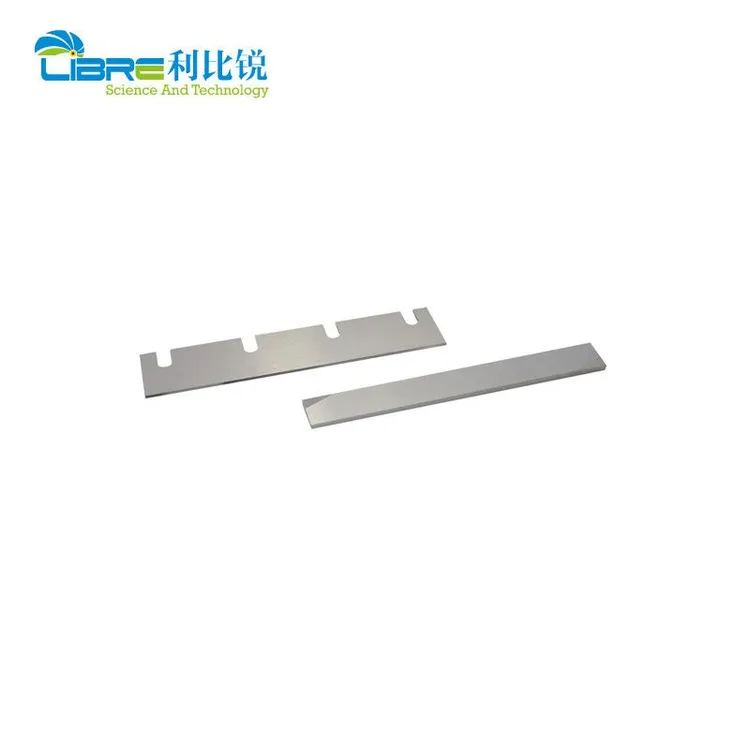
Similarly, the cutting mechanism plays a pivotal role in determining the final dimensions of the cigarette. The Hauni Protos cutting knife must operate at extreme speeds while maintaining a razor-sharp edge. If the knife dulls prematurely or vibrates excessively, it can cause uneven cuts, increasing the rate of reject products. Both the scanner and the knife require components that are engineered for durability and precision, ensuring that the machine operates at peak efficiency without frequent interruptions for adjustments or replacements.
When sourcing these critical items, it is crucial to verify that the replacement parts meet the original design specifications. This includes not only physical dimensions but also material properties and electronic tolerances. For instance, the microwave scanner must maintain signal integrity across a wide range of operating temperatures and humidity levels. Likewise, the cutting knife must possess the correct hardness and tensile strength to withstand the abrasive nature of tobacco without chipping or deforming.
By prioritizing components that adhere to these strict engineering standards, facilities can ensure consistent product quality and minimize waste. This approach requires a deep understanding of the machine’s operational parameters and the specific challenges faced by each component. With the right parts in place, operators can achieve a smoother production flow, reduced maintenance costs, and higher overall equipment effectiveness (OEE).
Microwave Scanner: Ensuring Signal Stability and Accuracy
The microwave scanner functions as the eyes of the PROTOS machine, constantly evaluating the tobacco rod’s internal structure. A replacement unit must replicate the exact frequency response and signal processing capabilities of the original. Poor-quality scanners may introduce noise or latency into the control system, leading to inaccurate density adjustments. This can result in cigarettes that are either too loose or too tight, affecting burn rate and draw characteristics.
To ensure reliability, replacement scanners should undergo rigorous testing to verify their signal stability under various operating conditions. This includes checking for consistency in readings across different tobacco blends and environmental conditions. Components that fail to meet these criteria can cause significant quality issues, making it essential to source from suppliers who prioritize electronic precision and calibration.
Cutting Knives: Hardness Standards and Durability
The cutting knife is subjected to immense mechanical stress during operation. It must maintain a sharp edge for thousands of cuts before requiring replacement. The hardness of the steel used in the knife is a critical factor in its lifespan. Knives that are too soft will dull quickly, while those that are too hard may become brittle and prone to chipping. Finding the optimal balance is key to maximizing productivity.
High-quality replacement knives are manufactured using advanced heat treatment processes to achieve the desired hardness profile. They are also precision-ground to ensure a perfect fit with the cutting drum and anvil. This precision reduces vibration and wear on other components, extending the service life of the entire cutting system. Investing in durable knives reduces the frequency of changes, saving time and labor costs.
Compatibility and Verification: Bridging the Gap
One of the primary concerns when using aftermarket components is ensuring they fit seamlessly into existing machinery. Hauni machine components from reputable third-party suppliers are designed to be fully compatible with various Protos models, including the 70, 80, and 90 series. This compatibility is achieved through precise reverse engineering and adherence to original dimensioning tolerances. However, it is essential to verify that the supplier has a thorough understanding of the specific model variations and any updates made over the years.
Fitment is not just about physical dimensions; it also involves electronic and mechanical integration. For example, a replacement microwave scanner must interface correctly with the machine’s control unit, providing accurate data without causing communication errors. Similarly, cutting knives must align perfectly with the cutting drum to ensure clean cuts. Suppliers who offer comprehensive technical support and detailed installation guides can help facilitate a smooth transition to aftermarket parts.
To mitigate risks, it is advisable to start with a small trial order before committing to a larger purchase. This allows the facility to test the components in a real-world environment and assess their performance against OEM benchmarks. Feedback from the maintenance team regarding ease of installation and long-term durability can provide valuable insights into the quality of the parts.
Ultimately, the goal is to establish a reliable supply chain that supports the facility’s operational needs. By working with suppliers who prioritize compatibility and quality, operators can confidently integrate aftermarket components into their maintenance strategies. This approach not only reduces costs but also enhances the flexibility and resilience of the production process.
How We Ensure Fit for Protos 70, 80, and 90 Models
Our commitment to compatibility begins with detailed CAD modeling and 3D scanning of original components. This ensures that every replacement part, from brackets to sensors, matches the original specifications exactly. We maintain a comprehensive database of part numbers and revisions for all Protos models, allowing us to provide the correct component for any specific machine configuration.
Additionally, we conduct dimensional inspections on every batch of parts before shipping. This quality control step verifies that critical measurements, such as bore diameters and mounting hole positions, are within tolerance. By combining advanced manufacturing technology with rigorous inspection protocols, we guarantee that our parts fit perfectly and function as intended.
Testing Protocols: From Bench to Production Line
Before any component leaves our facility, it undergoes a series of rigorous tests. For electronic components like the microwave scanner, we perform signal integrity tests to ensure accuracy and stability. For mechanical parts like cutting knives, we conduct hardness and wear resistance tests to verify durability. These tests simulate real-world operating conditions to identify any potential issues before the part reaches the customer.
We also provide detailed test reports with each shipment, giving customers confidence in the quality of the components. This transparency allows maintenance teams to verify that the parts meet their specific requirements before installation. By adhering to strict testing protocols, we ensure that our components perform reliably in high-speed production environments.
Implementation and Best Practices
Proper installation is just as important as the quality of the part itself. Following a structured replacement procedure minimizes the risk of errors and ensures that the component functions correctly from the start. This section outlines the key steps for replacing critical components, along with common pitfalls to avoid. By adhering to these best practices, operators can extend the life of their parts and maintain optimal machine performance.
A well-documented procedure helps standardize the replacement process across different shifts and teams. It ensures that every technician follows the same steps, reducing variability and the likelihood of mistakes. Additionally, providing training on the specific requirements of aftermarket parts can help technicians appreciate the importance of careful handling and precise installation.
Regular maintenance and inspection of replacement parts can also help identify potential issues before they lead to failure. By monitoring the condition of components such as cutting knives and sensors, operators can schedule replacements proactively, avoiding unplanned downtime. This proactive approach is key to maintaining high levels of efficiency and productivity.
Finally, maintaining open communication with the supplier can provide valuable feedback and support. If any issues arise during installation or operation, the supplier can offer troubleshooting assistance and technical advice. This collaborative approach helps resolve problems quickly and ensures that the parts continue to perform as expected.
Step-by-Step Replacement Procedures
- Preparation: Ensure the machine is safely locked out and tagged out. Gather all necessary tools and the new replacement part.
- Removal: Carefully remove the old component, noting the position of any screws, bolts, or connectors for reference.
- Cleaning: Clean the mounting area and surrounding components to remove any debris or residue that could interfere with the new part.
- Installation: Install the new part, ensuring it is aligned correctly and secured according to the manufacturer’s torque specifications.
- Testing: Power on the machine and perform a test run to verify that the new component is functioning correctly.
Common Pitfalls and How to Avoid Them
- Incorrect Alignment: Failing to align the part correctly can cause vibration and premature wear. Always double-check alignment before tightening fasteners.
- Over-tightening: Applying excessive torque can damage threads or deform components. Use a torque wrench to ensure the correct tightness.
- Ignoring Wear Patterns: If a part fails repeatedly, investigate the underlying cause, such as misalignment or contamination, rather than just replacing the part.
Conclusion
Selecting the right Hauni Protos spare parts is a strategic decision that impacts production efficiency, product quality, and overall profitability. By understanding the challenges of OEM
