
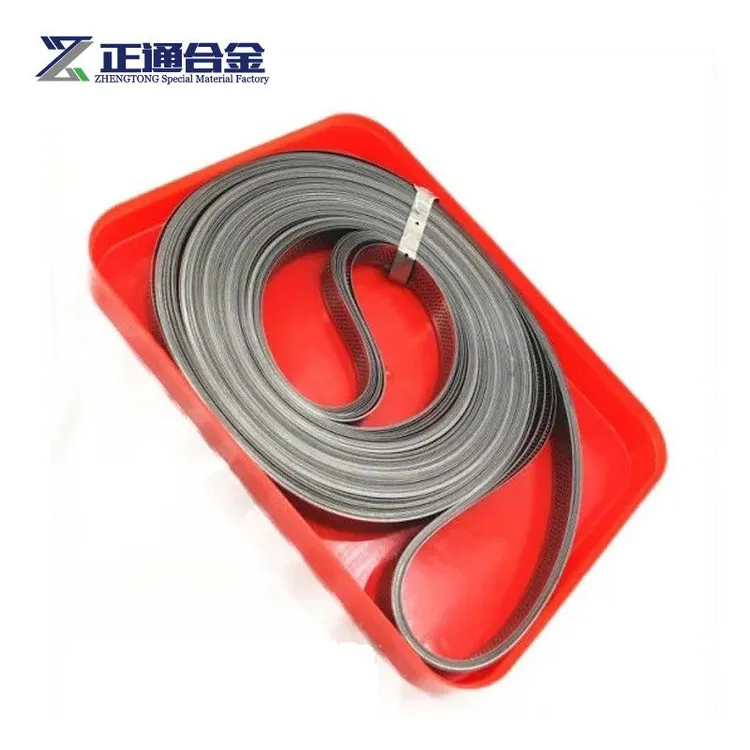
Understanding the Critical Role of Molins Spare Parts in Modern Production
In the high-stakes environment of tobacco manufacturing, the reliability of packaging machinery is paramount. When dealing with legacy systems like the Molins Mark 8 or the advanced Mark 9, having access to authentic Molins spare parts is not merely a maintenance preference but a operational necessity. Downtime in these facilities can result in millions of dollars in lost revenue, making the sourcing of components a strategic priority for plant managers and procurement officers. The transition from older mechanical systems to more automated, electronic solutions requires a nuanced understanding of component compatibility and performance standards.
The Molins brand, now part of the Coesia Group, has established a legacy of engineering excellence. However, as these machines age, the availability of original equipment manufacturer (OEM) parts becomes increasingly critical. Operators often face the dilemma of choosing between expensive OEM components and cheaper aftermarket alternatives. While cost is a factor, the risk of machine failure, product waste, and safety hazards associated with non-genuine parts often outweighs the initial savings. Therefore, a comprehensive guide to identifying and sourcing these parts is essential for maintaining peak efficiency.
Furthermore, the specific requirements for the HLP 180 high-speed packing line differ significantly from the rotary packing mechanisms found in the Mark 8 and Mark 9. Each machine type has unique wear patterns and tolerance levels that demand precise replacement parts. For instance, the HLP 180 relies on high-precision servo-driven mechanisms that require components with tighter tolerances than the purely mechanical linkages of the Mark 8. Understanding these distinctions is the first step in building a robust supply chain for spare parts that ensures continuity of production.
Ultimately, the goal of any maintenance strategy is to maximize machine availability while minimizing total cost of ownership. This involves not just buying parts, but selecting the right partners who can provide technical support, genuine components, and rapid delivery. As the industry moves towards Industry 4.0 integration, the data generated by these machines can also inform predictive maintenance schedules, further reducing the need for emergency part replacements. By focusing on quality and authenticity, manufacturers can protect their assets and ensure consistent output quality.
Strategic Sourcing and Inventory Management for High-Value Equipment
When evaluating suppliers for authentic Molins spare parts, it is crucial to look beyond price quotes and examine the supplier’s track record for authenticity and speed. The market is flooded with counterfeit components that may appear identical to genuine parts but lack the material integrity and precision engineering required for high-speed tobacco packaging. Suppliers who can provide traceability documentation, such as material certificates and batch numbers, are significantly more reliable. Additionally, the ability to offer expedited shipping options is vital, as unexpected breakdowns require immediate attention to prevent prolonged production halts.
Inventory management for critical spares requires a data-driven approach. Plant managers should analyze historical maintenance records to identify components that fail frequently or have long lead times. For the Molins Mark 8, mechanical wear items such as cam followers, bearings, and sealing jaws should be stocked in higher quantities due to their predictable wear rates. In contrast, electronic components for the Mark 9 may have longer lifespans but are more complex and expensive to replace, necessitating a different stocking strategy. Implementing a just-in-time inventory system supported by real-time machine monitoring can help optimize stock levels without compromising availability.
Another key consideration is the relationship with the supplier. A good supplier acts as a technical partner, offering insights into best practices for installation and maintenance. They should be able to provide detailed technical drawings and specifications for each part, ensuring that the components fit perfectly and function as intended. This level of support is particularly important for older machines like the Mark 8, where original documentation may be difficult to find. A supplier with extensive knowledge of the Molins ecosystem can help troubleshoot issues and recommend upgrades that extend the life of the machine.
Finally, building a diversified supply chain can mitigate risks associated with single-source dependencies. While it is ideal to source genuine OEM parts, having qualified aftermarket suppliers for non-critical components can provide flexibility and cost savings. However, this strategy must be carefully managed to ensure that all parts meet the necessary quality standards. Regular audits of supplier performance and part quality are essential to maintain the integrity of the maintenance program. By taking a proactive and strategic approach to sourcing and inventory, manufacturers can ensure that their Molins machines remain operational and efficient.
Essential Components for the Mark 8 (MK8) Machine
The Molins Mark 8 is a robust rotary packaging machine known for its reliability and versatility in the tobacco industry. To keep this machine running smoothly, certain Molins Mark 8 spare parts are considered essential due to their high wear rates and critical function in the packaging process. The primary wear components include the sealing jaws, which are responsible for forming the paper seal around the cigarette pack. Over time, these jaws can become misaligned or worn, leading to poor seal quality and potential product waste. Regular inspection and replacement of these jaws are crucial for maintaining consistent packaging standards.
Another critical area for the Mark 8 is the drive system, which includes various gears, bearings, and cam followers. These components transmit power and motion throughout the machine, ensuring synchronized operation of the packing stations. Wear in the drive train can lead to timing errors, causing jams and misfeeds. High-quality replacement bearings and gears are necessary to maintain the precise timing required for high-speed operation. Additionally, the machine’s feeding mechanisms, including pushers and guides, are subject to constant friction and require durable materials to withstand the stress of continuous use.
Electronic components also play a significant role in the Mark 8’s operation, particularly in models equipped with automated control systems. Sensors, proximity switches, and control boards monitor the machine’s status and trigger actions based on real-time data. Faulty sensors can lead to false stops or missed detections, reducing overall equipment effectiveness (OEE). It is important to source electronic components that are compatible with the specific version of the Mark 8 in operation. Upgrading to more robust electronic components can also enhance the machine’s reliability and reduce the frequency of maintenance interventions.
Finally, the paper handling system, including the paper brake and tension control units, is vital for ensuring smooth paper feed and accurate cut lengths. Wear in the paper brake pads or tension sensors can result in inconsistent packaging quality and increased material waste. Regular maintenance of these components, along with timely replacement of worn parts, is essential for optimizing the performance of the Mark 8. By focusing on these key areas, maintenance teams can extend the life of the machine and minimize unplanned downtime.
Critical Spare Parts for the Mark 9 (MK9) System
The Molins Mark 9 represents a significant advancement in packaging technology, offering higher speeds and greater flexibility than its predecessors. Consequently, the Mark 9 spare parts required for this system are often more sophisticated, featuring advanced materials and electronic integration. One of the most critical components is the electronic control system, which manages the machine’s complex sequences and interactions. Sensors and actuators in the Mark 9 are highly integrated, requiring precise calibration and replacement with genuine parts to ensure optimal performance. Using non-genuine electronic components can disrupt the machine’s communication protocols and lead to system errors.
Another key area for the Mark 9 is the high-speed packing mechanism, which utilizes servo-driven motors for precise control of the packing arms and sealing units. These servo motors and their associated drives are subject to high thermal and mechanical stress. Regular monitoring of these components and timely replacement of worn brushes or bearings is essential to prevent catastrophic failure. Additionally, the sealing units in the Mark 9 often feature advanced heating elements and cooling systems that require specific replacement parts to maintain consistent seal quality. These components are critical for ensuring the integrity of the packaging and protecting the product.
The feeding and orientation systems in the Mark 9 are also highly advanced, utilizing vision systems and robotic pick-and-place mechanisms to handle a variety of pack formats. These systems require high-precision mechanical components, such as linear guides and ball screws, to maintain accuracy. Wear in these components can lead to positioning errors and reduced throughput. Furthermore, the software and firmware updates for the Mark 9 often require specific hardware configurations, making it essential to source parts that are compatible with the latest system versions. Maintaining a stock of these critical electronic and mechanical components is vital for minimizing downtime and ensuring consistent production quality.
Finally, the safety systems in the Mark 9, including light curtains and emergency stop circuits, must be regularly inspected and maintained to ensure operator safety. These systems are critical for preventing accidents and ensuring compliance with safety regulations. Replacement parts for safety systems must meet strict quality standards and be installed by qualified personnel. By prioritizing the maintenance of these critical components, manufacturers can ensure the safe and efficient operation of the Mark 9, maximizing its return on investment.
Optimizing Performance: The HLP 180 Case Study
One of the most common challenges in high-speed tobacco manufacturing is frequent jams in packing lines, which can severely impact throughput and increase waste. A recent case study involving an HLP 180 high-speed packing line highlighted this issue. The machine was experiencing repeated jams at the carton forming stage, leading to significant downtime and increased labor costs for troubleshooting. Initial investigations suggested that the issue was related to wear in the mechanical components responsible for paper folding and gluing. However, the root cause was identified as the use of non-genuine, low-tolerance replacement parts that did not align correctly with the machine’s high-speed requirements.
The solution involved a comprehensive upgrade of the HLP 180’s critical components, focusing on precision-machined parts sourced from a reputable supplier. The installation of genuine HLP 180 sealing jaws, paper guides, and servo-driven actuators resulted in a dramatic improvement in machine performance. The new parts, manufactured to tighter tolerances, ensured smooth paper flow and accurate folding, eliminating the jams that had plagued the line. Additionally, the upgrade included the installation of advanced sensors that provided real-time feedback on paper tension and alignment, allowing for proactive adjustments and further reducing the risk of jams.
The results of this upgrade were significant. The HLP 180’s uptime increased by 15%, and the rate of packaging waste decreased by 20%. The machine’s overall equipment effectiveness (OEE) improved substantially, leading to a faster return on investment for the spare parts upgrade. This case study demonstrates the importance of using high-quality, precision-machined parts in high-speed packaging lines. By investing in genuine components, manufacturers can not only resolve immediate operational issues but also enhance the long-term reliability and efficiency of their equipment.
Furthermore, the upgrade provided valuable data insights that were used to optimize the machine’s maintenance schedule. The advanced sensors allowed for predictive maintenance, enabling the maintenance team to address potential issues before they resulted in downtime. This proactive approach to maintenance has become a best practice in the industry, and the HLP 180 case study serves as a compelling example of its benefits. By prioritizing quality and precision in spare parts sourcing, manufacturers can achieve significant improvements in productivity and cost savings.
Conclusion
Maintaining the efficiency and reliability of Molins packaging machinery requires a strategic approach to spare parts management. Whether you are operating the classic Molins Mark 8, the advanced Mark 9, or the high-speed HLP 180, the quality of your spare parts directly impacts your bottom line. By prioritizing genuine components, partnering with reliable suppliers, and implementing proactive maintenance strategies, you can minimize downtime and maximize production output.
Secure Your Production Line Today
Don't let machine downtime disrupt your operations. Explore our comprehensive range of high-quality, genuine Molins spare parts designed to meet the rigorous demands of modern tobacco manufacturing. From critical mechanical components for the Mark 8 to advanced electronic systems for the Mark 9, we provide the parts and expertise you need to keep your lines running smoothly.
Browse our full catalog of Molins Machine Parts and discover how we can help you optimize your maintenance strategy and improve your overall equipment effectiveness.
