
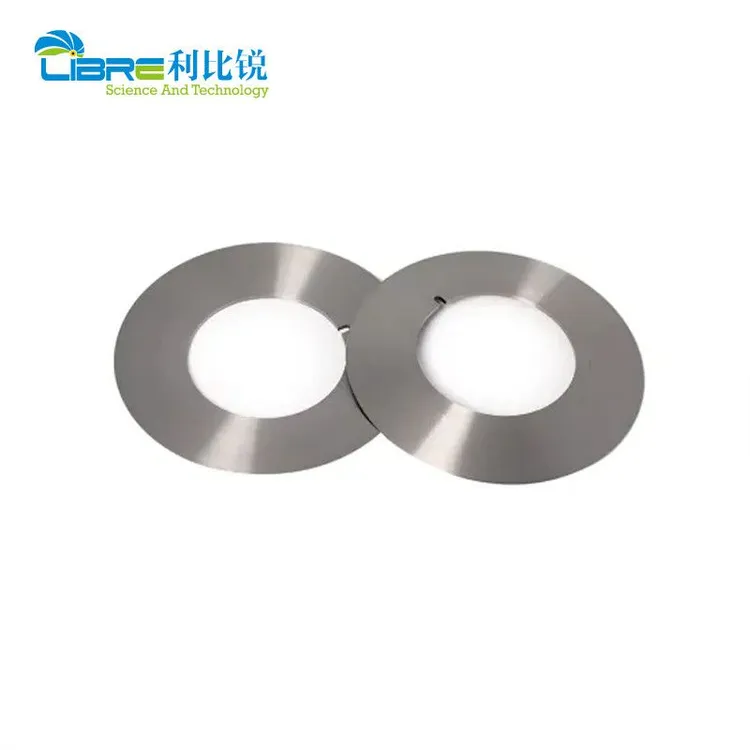
Understanding the Anatomy and Geometry of Slitting Knives
When selecting circular slitter blades for industrial applications, understanding the fundamental geometry is the first step toward achieving clean cuts and extended tool life. These precision tools are not merely sharp discs; they are engineered components where every dimension influences the quality of the slit and the stability of the machine. The primary dimensions—Outer Diameter (OD), Inner Diameter (ID), and thickness—must align perfectly with the slitter’s shaft and arbor requirements. However, it is the edge geometry, specifically the bevel angles, that dictates how the blade interacts with the material. A slight deviation in these parameters can lead to excessive burrs, material deformation, or premature blade failure, making precise specification critical for operational efficiency.
The thickness of the blade is particularly crucial in narrow slitting applications where multiple blades are stacked on a shaft. Thinner blades allow for tighter spacing, enabling narrower slit widths, but they require greater rigidity from the shaft and support sleeves to prevent deflection. Conversely, thicker blades offer more durability and resistance to chipping but limit the minimum slit width achievable. Manufacturers must balance these constraints based on the specific throughput and precision requirements of their production line. Additionally, the bevel angle, often measured in degrees, determines the sharpness and strength of the cutting edge. A sharper angle cuts more easily but is more prone to chipping, while a stronger angle lasts longer but requires more force to cut.
Key Components: OD, ID, Thickness, and Bevel Angles
The Outer Diameter (OD) determines the circumference of the cut and influences the surface speed at a given RPM. Standard sizes vary, but custom ODs are often required for specific machine constraints. The Inner Diameter (ID) must match the shaft tolerance precisely; too loose, and the blade will wobble, causing vibration and poor cut quality; too tight, and installation becomes difficult, risking damage to the bore. Modern manufacturing allows for tight tolerances on the ID, often within microns, to ensure concentricity and balance. This precision is vital for high-speed operations where imbalance can lead to catastrophic machine failure.
Thickness and bevel angles work in tandem to define the cutting performance. For instance, a single-sided bevel is common in paper slitting, while double-sided bevels are preferred for softer materials like plastic film to reduce cutting force. The choice of thickness also affects the blade’s ability to handle abrasive materials; thicker cores provide more material to wear down before the blade becomes ineffective. Understanding these interrelated components allows engineers to specify slitting knives that maximize uptime and minimize waste, ensuring that the tooling matches the material’s physical properties and the machine’s operational limits.
Comparing Blade Profiles: V-Notch, Beveled, and Flat Edges
The profile of the cutting edge determines the type of cut produced and the suitability for specific materials. The most common profile is the beveled edge, which comes in single or double variations. Single bevels are often used in paper and corrugated board slitting, where the blade contacts the anvil at a specific angle to create a clean shear. Double bevels distribute the cutting force more evenly, making them ideal for softer, more elastic materials like foams and thin plastics. These profiles are designed to minimize the force required to sever the material, reducing stress on the machine and the material itself.
For specialized applications, V-notched and flat-edge profiles offer distinct advantages. V-notched blades, sometimes referred to as kiss-cutting blades, are essential in the printing and converting industries for cutting adhesive tapes and labels without cutting through the backing material. The sharp V-point allows for precise depth control, ensuring that the top layer is severed while the bottom layer remains intact. Flat-edge blades, on the other hand, are often used in rotary die-cutting or when a straight, perpendicular cut is required. Each profile serves a unique purpose, and selecting the wrong one can result in jagged edges, material tearing, or incomplete cuts, underscoring the importance of matching the blade geometry to the application.
Material Science: Selecting the Right Alloy for Your Application
The performance of circular slitter blades is heavily dependent on the material from which they are manufactured. Choosing the correct alloy is not just a matter of cost; it is a strategic decision that impacts production speed, cut quality, and long-term maintenance costs. In high-volume environments, the wear resistance and hardness of the blade material determine how long a blade can operate before requiring sharpening or replacement. Engineers must evaluate the abrasive nature of the material being slit, the required cutting speed, and the desired finish to select the optimal blade composition. Using an under-specification can lead to frequent downtime, while over-specifying may result in unnecessary expenditure without tangible benefits.
Two of the most prevalent materials in the industry are High-Speed Steel (HSS) and Tungsten Carbide (TC). HSS offers a balanced combination of toughness and hardness, making it suitable for a wide range of general-purpose applications. It is relatively cost-effective and can be sharpened multiple times, extending its lifecycle. However, for highly abrasive materials or high-speed operations where heat generation is a concern, TC provides superior performance. TC blades maintain their edge integrity at higher temperatures and resist wear significantly better than HSS, though they are more brittle and expensive. Understanding the trade-offs between these materials is essential for optimizing the total cost of ownership for slitting operations.
High-Speed Steel (HSS): Cost-Effective Solutions for Paper
High-Speed Steel (HSS) remains the workhorse material for many slitting applications, particularly in the paper and cardboard industries. HSS blades are known for their excellent toughness and resistance to chipping, which is crucial when slitting materials that may contain hard impurities or uneven textures. The material can be ground to a very sharp edge, ensuring clean cuts with minimal burr formation. Additionally, HSS is easier to sharpen than harder alloys, allowing maintenance teams to restore the blade’s cutting edge multiple times without compromising its structural integrity. This re-sharpenability makes HSS a cost-effective choice for operations with moderate cutting speeds and less abrasive materials.
Furthermore, HSS blades exhibit good thermal stability, meaning they can withstand the heat generated during continuous operation without losing their temper. This property is particularly beneficial in high-speed paper slitting, where friction can quickly raise the temperature of the cutting edge. While HSS may not match the wear resistance of carbide in abrasive environments, its versatility and lower initial cost make it an attractive option for many converters. By carefully monitoring wear patterns and scheduling regular sharpening, manufacturers can maximize the lifespan of HSS rotary slitter blades, achieving a favorable balance between performance and economic efficiency.
Tungsten Carbide (TC): Superior Wear Resistance for Abrasives
Tungsten Carbide (TC) is the preferred material for slitting highly abrasive or demanding materials such as fiberglass, carbon fiber, and certain composite films. The extreme hardness of TC, often measured on the Rockwell C scale, allows it to maintain a sharp edge for significantly longer periods than HSS. This wear resistance translates to reduced downtime for sharpening and longer intervals between blade replacements, which is critical in continuous production environments. Although TC blades are more expensive initially and more brittle than HSS, their longevity and performance in harsh conditions often justify the investment. The higher cost is offset by the increased productivity and consistent cut quality that TC provides.
One of the key advantages of TC is its ability to operate at higher speeds without degrading. The material’s thermal conductivity helps dissipate heat away from the cutting edge, preventing thermal damage to both the blade and the material being slit. This makes TC ideal for high-speed slitting of thin films and foils, where heat buildup can cause melting or deformation. However, the brittleness of TC requires careful handling and precise machine alignment to avoid chipping. When used correctly, TC circular slitter blades offer unparalleled performance in abrasive applications, delivering consistent quality and extended service life.
Application-Specific Optimization: Matching Blades to Materials
Optimizing the slitting process requires more than just selecting the right blade material; it demands a deep understanding of how different substrates interact with the cutting edge. Circular slitter blades must be tailored to the specific physical properties of the material being processed, such as tensile strength, elasticity, and surface friction. For example, slitting paper requires blades that can penetrate the fibrous structure cleanly without causing dust or fraying, while slitting plastic films demands blades that minimize static buildup and prevent tearing. Misalignment between blade characteristics and material properties can lead to a host of issues, including poor edge quality, machine vibration, and increased waste, all of which impact the bottom line.
Furthermore, the choice of blade profile and coating can significantly influence the performance of slitting knives in specific applications. Coatings such as Titanium Nitride (TiN) or Diamond-Like Carbon (DLC) can enhance wear resistance and reduce friction, extending blade life and improving cut quality. These advanced treatments are particularly beneficial when slitting sticky or adhesive materials, where buildup on the blade edge can degrade performance. By evaluating the unique challenges of each material, manufacturers can implement targeted solutions that enhance productivity and ensure consistent product quality across diverse production runs.
Paper and Corrugated Board: Optimizing for High Speed
In the paper and corrugated board industry, speed and cleanliness are paramount. Rotary slitter blades used in this sector must be capable of maintaining a sharp edge at high RPMs while minimizing dust generation, which can interfere with downstream processes like printing and gluing. HSS blades with a single bevel are commonly used, as they provide the necessary penetration and clean cut required for fibrous materials. The bevel angle is carefully selected to reduce the cutting force and prevent the paper from buckling or tearing. Additionally, regular maintenance and prompt sharpening are essential to prevent the accumulation of paper dust on the blade edge, which can lead to uneven cuts and increased waste.
For corrugated board, which is thicker and more abrasive than standard paper, blades with greater thickness and a more robust bevel are often required. The increased rigidity helps prevent deflection and ensures a straight cut through the multiple layers of the board. Operators must also consider the anvil pressure and alignment, as improper setup can cause excessive wear on the blades and damage the board surface. By optimizing the blade selection and machine settings for paper and corrugated board applications, manufacturers can achieve high-speed production with minimal defects and maximum efficiency.
Plastic Film, Foil, and Adhesives: Preventing Static and Tearing
Slitting plastic films, foils, and adhesive materials presents unique challenges, including static buildup, stretching, and tearing. Circular slitter blades used in these applications often feature specialized coatings, such as DLC or TiN, to reduce friction and prevent material from sticking to the blade. The blade profile is typically a double bevel or a V-notch, depending on whether the cut needs to go through the entire layer or just the top layer in the case of adhesives. Precision in blade thickness and concentricity is critical to prevent vibration, which can cause uneven cuts and material deformation. Additionally, anti-static devices and proper grounding are often employed in conjunction with the blades to mitigate static issues.
For thin films, the cutting force must be minimized to prevent stretching or distortion of the material. This is achieved by using sharp, well-maintained blades with appropriate bevel angles. Operators must also ensure that the blade is properly aligned with the anvil to avoid dragging or scraping the film, which can lead to surface defects. By selecting the right blade material, profile, and coating, and by maintaining precise machine alignment, manufacturers can successfully slit delicate materials like plastic film and foil with high quality and minimal waste.
Maintenance, Storage, and Quality Assurance
Proper maintenance and storage of circular slitter blades are essential to preserving their cutting performance and extending their operational lifespan. Even the highest-quality blades will degrade if not handled correctly, leading to rust, nicks, or loss of precision. Regular inspection for signs of wear, such as chipping, rounding, or discoloration, is crucial for identifying when a blade needs sharpening or replacement. Implementing a systematic maintenance schedule ensures that blades are serviced before they fail, preventing unexpected downtime and maintaining consistent cut quality throughout production runs.
Storage conditions also play a significant role in blade longevity. Blades should be stored in a dry, climate-controlled environment to prevent corrosion. Using protective sleeves or cases can prevent physical damage during handling and storage. Additionally, keeping a log of blade usage, including the number of hours operated and the materials processed, helps in predicting when a blade will need attention. By adhering to best practices for maintenance and storage, manufacturers can maximize the return on investment for their slitting knives and ensure reliable performance.
Signs It’s Time to Replace or Sharpen Your Blades
Recognizing the early signs of blade degradation is key to preventing production issues. Common indicators include the appearance of burrs on the slit edges, increased cutting noise, or visible chatter marks on the material. If the blade is producing inconsistent slit widths or if the material is tearing rather than cutting cleanly, it is likely time to sharpen or replace the blade. Regular measurement of the slit quality and visual inspection of the blade edge can help identify these issues before they result in significant waste or machine damage. Proactive management of blade condition ensures that the slitting process remains efficient and cost-effective.
Best Practices for Blade Storage and Handling
Handling circular slitter
