
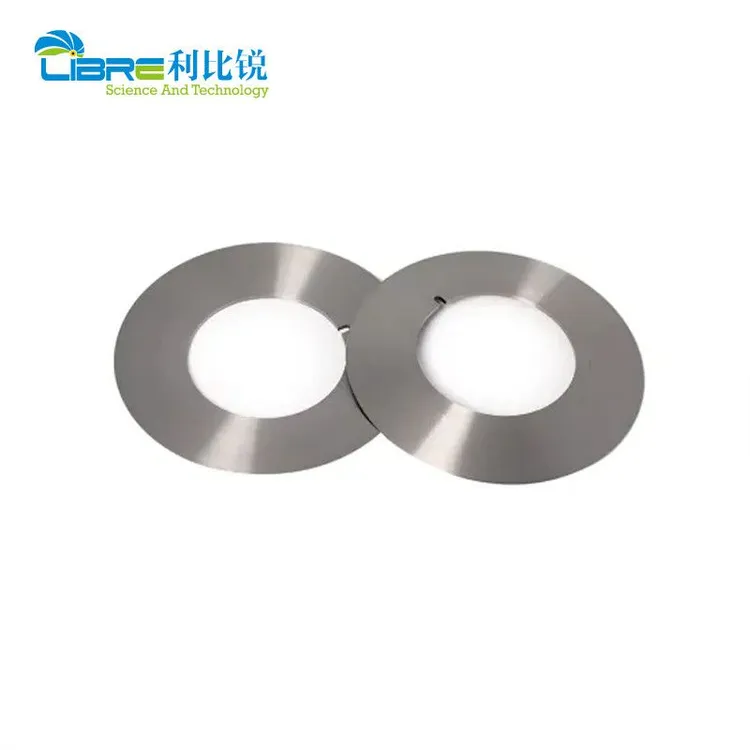
What Are Circular Slitter Blades?
Definition and Core Functionality
Circular slitter blades are precision-engineered cutting tools designed to slice wide rolls of material into narrower widths with exceptional accuracy. These rotary slitter blades are fundamental components in converting industries, serving as the primary interface between the raw material and the finished product. Unlike straight blades used in shearing applications, circular slitter blades rotate at high speeds, allowing for continuous, high-volume processing. Their design minimizes material deformation and ensures clean edges, which is critical for downstream processes such as packaging, printing, and adhesive application. The effectiveness of the slitting process depends heavily on the blade's geometry, material composition, and the specific application requirements.Key Components and Geometry of Slitting Knives
Understanding the anatomy of slitting knives is essential for selecting the right tool for your operation. The blade consists of a circular disk with a sharpened edge, typically mounted on a shaft or arbor. Key geometric parameters include the outer diameter (OD), inner diameter (ID), thickness, and the angle of the cutting edge. The thickness of the blade significantly influences its rigidity and resistance to deflection during cutting. Thinner blades allow for narrower slit widths but require more precise mounting and lower cutting forces to prevent vibration. Conversely, thicker blades offer greater stability for heavier materials. The cutting edge angle, or bevel, determines how aggressively the blade enters the material. A sharper angle provides a cleaner cut on thin films, while a more obtuse angle offers durability when cutting abrasive materials like corrugated board or metal foils. Proper geometry ensures minimal burr formation and extends the lifespan of the blade.Material Selection: Steel vs. Carbide
High Speed Steel (HSS) Slitter Blades: Pros and Cons
High Speed Steel (HSS) circular slitter blades remain a popular choice for many converting applications due to their excellent balance of toughness and wear resistance. HSS blades are known for their ability to maintain a sharp edge under moderate cutting conditions, making them ideal for paper, cardboard, and non-abrasive plastics. One of the primary advantages of HSS is its ease of sharpening; these blades can be reground multiple times without significant loss of material, reducing long-term operational costs. However, HSS blades have limitations when it comes to high-speed operations or cutting highly abrasive materials. Under extreme heat or friction, HSS may lose hardness, leading to faster dulling. Despite this, for general-purpose slitting where cost-efficiency and ease of maintenance are priorities, HSS slitter blades offer a reliable and versatile solution.Tungsten Carbide (TC) Blades for High Wear Resistance
For applications demanding superior performance and longevity, Tungsten Carbide (TC) rotary slitter blades are the industry standard. TC blades are significantly harder than HSS, offering exceptional wear resistance even when cutting abrasive materials such as fiberglass, carbon fiber, and certain composite films. The extreme hardness of tungsten carbide allows for higher cutting speeds and longer intervals between sharpening, which translates to increased machine uptime and reduced labor costs. While TC blades are more expensive upfront and require specialized diamond grinding equipment for sharpening, their durability often results in a lower cost-per-slit over time. Additionally, TC blades maintain their edge geometry better than steel, ensuring consistent cut quality throughout the blade's lifecycle. This makes them indispensable in high-volume production environments where precision and reliability are non-negotiable.Industry Applications and Requirements
Paper and Corrugated Board Slitting
In the paper and corrugated board industry, circular slitter blades must handle fibrous materials that generate significant dust and friction. The primary challenge in this sector is preventing "fuzzing" or edge degradation, which can occur if the blade is dull or improperly angled. For lightweight papers, thin HSS blades with a sharp bevel are often used to ensure clean cuts without tearing. However, when processing corrugated board or heavy-duty packaging materials, thicker blades with a more robust geometry are required to withstand the increased cutting forces. The choice of blade also depends on the slitting method, whether it is shear slitting or razor slitting. Shear slitting, which uses two rotating blades, is preferred for its ability to produce clean edges on thicker materials, while razor slitting is often used for thinner papers where minimal material deformation is critical.Plastic Film and Foil Slitting Requirements
Slitting plastic films and metallic foils presents unique challenges, primarily due to the sensitivity of these materials to heat and static electricity. Thin films, such as PET, PE, and PP, are prone to tearing or stretching if the cutting force is too high or if the blade vibrates during operation. Therefore, circular slitter blades for film applications must be extremely sharp and precisely balanced to minimize vibration. Tungsten carbide blades are often preferred for film slitting because they maintain a keen edge longer, reducing the frequency of changes and the risk of contamination from metal particles. Additionally, special coatings or treatments may be applied to the blades to reduce friction and prevent material buildup. The goal is to achieve a burr-free edge that does not compromise the integrity of the film, ensuring it performs well in subsequent packaging or printing processes.Maintenance and Lifecycle Management
How to Properly Sharpen Circular Slitter Blades
Proper sharpening is crucial for maintaining the performance and extending the life of circular slitter blades. The sharpening process must be performed by skilled technicians using specialized diamond grinding wheels to ensure the blade's geometry is preserved. It is essential to remove only the minimum amount of material necessary to restore the cutting edge, as excessive grinding can weaken the blade and alter its balance. The angle of the bevel must match the original specification to ensure consistent cutting performance. After sharpening, the blade should be deburred and polished to remove any microscopic imperfections that could cause tearing or premature dulling. Regular maintenance schedules should be established to monitor blade condition and schedule sharpening before the edge becomes severely compromised, thereby avoiding costly downtime and material waste.Signs It’s Time to Replace Your Slitting Knives
Even with proper maintenance, slitting knives will eventually reach the end of their usable life. Common signs that it is time to replace your blades include visible chipping, cracking, or significant wear on the cutting edge. If the blade requires frequent sharpening to maintain acceptable cut quality, it may be nearing the limit of its material thickness. Other indicators include increased vibration during operation, which can lead to poor slit quality and potential damage to the slitting machine. Additionally, if the material being slit shows signs of excessive burring, tearing, or edge degradation despite proper blade alignment and tension, the blade may be worn out. Replacing worn blades promptly is essential to maintain product quality and operational efficiency. Investing in high-quality blades from reputable manufacturers ensures better performance and longer service life, ultimately reducing total cost of ownership.Choosing the Right Supplier
Evaluating Manufacturer Capabilities and Customization
Selecting the right manufacturer for circular slitter blades involves evaluating their technical capabilities and ability to provide customized solutions. A reliable supplier should offer a wide range of materials, including HSS, TC, and specialized alloys, to meet diverse application needs. They should also provide customization options for blade geometry, such as specific outer diameters, inner diameters, and thicknesses, to fit your existing machinery. Additionally, look for manufacturers that invest in advanced grinding and testing equipment to ensure consistent quality and precision. A good supplier will also offer technical support and consultation to help you select the optimal blade for your specific material and production requirements. Partnering with a knowledgeable manufacturer can lead to significant improvements in slitting efficiency and product quality.Understanding Tolerances and Precision Standards
Precision is paramount in slitting operations, and understanding the tolerances and standards offered by manufacturers is critical. High-quality circular slitter blades are manufactured to tight tolerances, ensuring consistent thickness, flatness, and balance. Variations in these parameters can lead to uneven cutting, vibration, and premature wear. Look for manufacturers that adhere to international quality standards and provide detailed specifications for each blade, including dimensional tolerances and material certifications. Regular inspection and testing of blades upon receipt can help ensure that you are receiving products that meet your quality requirements. By prioritizing precision and quality in your blade selection, you can achieve superior slitting results and maintain high standards of production efficiency.Conclusion
Choosing the right circular slitter blades is a critical decision that impacts the efficiency, quality, and cost-effectiveness of your slitting operations. By understanding the different materials, geometries, and applications, you can select the optimal blades for your specific needs. Whether you require the versatility of HSS or the durability of tungsten carbide, partnering with a reputable manufacturer ensures you receive high-quality, precision-engineered products. Regular maintenance and timely replacement of worn blades are essential for maintaining peak performance. Explore our extensive range of circular slitter blades to find the perfect solution for your production line.
