
Understanding the Mechanics of Corrugated Cardboard Cutting
The efficiency of any modern packaging line begins with precision, making the choice of a corrugated cardboard cutting solution critical for operational success. In an industry where margins are tight and delivery windows are shrinking, the ability to process materials without waste or delay is not just a luxury—it is a necessity. Whether you are handling high-volume e-commerce fulfillment or specialized retail displays, the machinery selected must align with specific production demands. This guide explores the technical nuances of selecting the right equipment, from flatbed die cutters to rotary systems, ensuring that your facility is equipped to handle the diverse challenges of modern packaging manufacturing.
Selecting the appropriate machinery involves more than just looking at price points; it requires a deep understanding of the mechanical differences between various cutting technologies. For instance, while a traditional die cutting machine for cardboard offers versatility for short runs and complex shapes, it may lack the speed required for mass production. Conversely, automated systems provide consistency and speed but require significant setup time and investment. By evaluating these factors early, manufacturers can avoid bottlenecks and ensure that their cutting processes support, rather than hinder, overall production goals.
### Why Cutting Tolerance Matters in Packaging IntegrityPrecision in cutting directly impacts the structural integrity of the final package. Even minor deviations in dimensions can lead to poor fit, weak joints, or compromised protection for the product inside. In high-speed assembly lines, inconsistent cut sizes can cause jams, leading to costly downtime and material waste. Therefore, maintaining tight tolerances is essential for ensuring that boxes fold correctly, seals adhere properly, and products remain secure during transit. This level of precision is particularly crucial for automated packaging systems, which rely on exact measurements to function smoothly.
Furthermore, cutting accuracy affects the aesthetic quality of the packaging. Rough edges or uneven cuts can detract from the brand image, especially in retail environments where presentation is key. Consumers often associate the quality of the packaging with the quality of the product, making precision a vital component of brand perception. By investing in machinery that delivers consistent, high-quality cuts, companies can enhance both the functional performance and the visual appeal of their packaging solutions.
### Key Applications: E-commerce, Logistics, and RetailThe demands of e-commerce have revolutionized the way corrugated board is cut and processed. With the rise of direct-to-consumer models, there is a greater need for customized, right-sized boxes that minimize void fill and shipping costs. This trend has driven the adoption of flexible cutting solutions that can quickly switch between different box designs and sizes. Logistics centers, on the other hand, prioritize speed and volume, often requiring high-throughput cutting systems that can handle large quantities of standard box styles efficiently.
In the retail sector, packaging often serves as a marketing tool, requiring intricate designs and premium finishes. This necessitates the use of advanced cutting technologies that can handle complex geometries and delicate materials without compromising structural strength. Retailers also demand rapid turnaround times for seasonal promotions and limited-edition products, further emphasizing the need for adaptable and responsive cutting equipment. By understanding the specific requirements of each sector, manufacturers can tailor their cutting strategies to meet diverse market needs effectively.
Evaluating Machine Types and Capabilities
When upgrading or establishing a packaging facility, understanding the distinct advantages of different cardboard box cutting machine types is essential for making an informed investment. The market offers a range of solutions, from manual die cutters to fully automated rotary systems. Each type has unique strengths and limitations that must be carefully weighed against production requirements. For example, while manual or semi-automatic machines offer lower initial costs and flexibility for small batches, they lack the throughput and consistency needed for high-volume operations. Conversely, automated systems provide significant efficiency gains but come with higher capital expenditures and complexity.
Another critical factor is the type of material being processed. Corrugated cardboard varies in flute size, density, and composition, which can affect how it interacts with cutting tools. Some machines are better suited for single-wall board, while others can handle multi-wall configurations or specialized materials like micro-flute. Understanding these material properties helps in selecting machinery that can maintain cutting quality across different product lines, ensuring versatility and reducing the need for multiple specialized machines.
### Die Cutting Machines: Flatbed vs. Rotary for Different VolumesFlatbed die cutting machines are ideal for short to medium production runs where flexibility is paramount. These machines use a flat bed and a die that is pressed into the material, allowing for easy changes between different box designs. This makes them perfect for custom packaging, prototypes, and low-volume orders. However, the process is inherently slower due to the up-and-down motion of the press, which limits the maximum speed of production. Despite this, flatbed machines remain a staple in many packaging facilities due to their ability to handle a wide variety of shapes and sizes without the need for expensive tooling modifications.
Rotary die cutting machines, on the other hand, are designed for high-volume production. They use cylindrical dies that rotate continuously, allowing for much faster cutting speeds and continuous web processing. This makes them highly efficient for producing large quantities of standard box styles or converting rolls of corrugated board into sheets or blanks. While the initial setup and tooling costs are higher, the speed and consistency of rotary machines often result in a lower cost per unit over time. For companies with consistent, high-volume demands, rotary die cutting offers a significant competitive advantage in terms of throughput and operational efficiency.
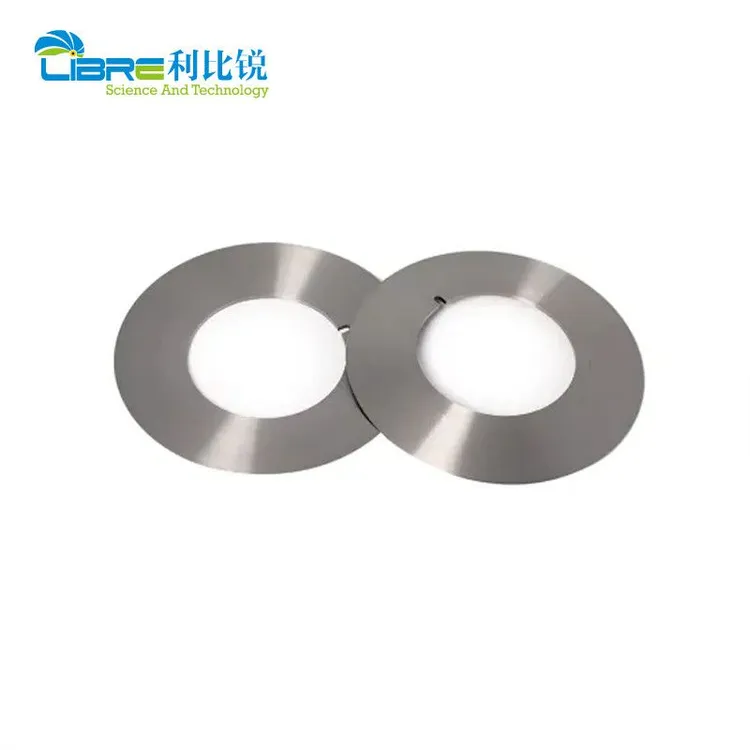
### Cardboard Slitting Machines: Precision for Sheet and Roll ProcessingSlitting is a critical step in the corrugated board processing workflow, particularly when working with rolls of material. A high-quality cardboard slitting machine ensures that wide rolls are cut into narrower strips with precise width tolerances. This process is essential for preparing material for further converting operations, such as printing, die cutting, or box making. Inaccurate slitting can lead to waste and inefficiencies downstream, as misaligned or incorrectly sized strips may not feed properly into subsequent machines.
Modern slitting machines offer various cutting methods, including rotary shear, razor, and score cutting, each suited to different material types and thicknesses. Rotary shear cutting, for example, uses two rotating blades to cut the material, providing a clean, burr-free edge that is ideal for high-speed operations. Razor cutting, on the other hand, uses a stationary blade and is often used for thinner materials or softer corrugated board. Selecting the right slitting method depends on the specific characteristics of the material and the desired edge quality, ensuring that the final product meets strict quality standards.
Strategic Selection and Optimization
Optimizing your cutting operations requires a holistic approach that considers not just the machine itself, but also the broader production environment. One of the most important aspects of this optimization is evaluating production volume and speed requirements. Understanding the peak and average throughput needs of your facility helps in selecting machinery that can handle fluctuations in demand without causing bottlenecks. For instance, a facility that experiences seasonal spikes in production may benefit from modular systems that can be scaled up or down as needed, providing flexibility and cost-effectiveness.
Additionally, integrating cutting processes with other stages of the packaging workflow, such as printing and assembly, can significantly enhance overall efficiency. Automated material handling systems, such as conveyors and robotic arms, can streamline the flow of materials between machines, reducing manual labor and minimizing the risk of damage. By creating a seamless, integrated workflow, companies can reduce lead times, improve quality control, and enhance their ability to respond quickly to market changes.
### Evaluating Production Volume and Speed RequirementsAccurately assessing production volume and speed requirements is the first step in selecting the right cutting equipment. Overestimating these needs can lead to unnecessary capital expenditure on high-capacity machines that sit idle during slower periods, while underestimating them can result in bottlenecks and missed deadlines. It is important to analyze historical production data, forecast future growth, and consider the variability in order sizes and frequencies. This analysis should also account for changeover times, as frequent switching between different box styles can significantly impact overall equipment effectiveness (OEE).
Speed requirements should be evaluated in the context of the entire production line, not just the cutting machine in isolation. A high-speed cutting machine that is bottlenecked by slower downstream processes, such as gluing or stacking, will not deliver the expected benefits. Therefore, it is essential to balance the speed of the cutting machine with the capabilities of adjacent equipment. This holistic view ensures that investments in cutting technology translate into tangible improvements in overall production efficiency and throughput.
### Matching Machine Capabilities to Material Thickness and TypesDifferent corrugated board types and thicknesses present unique challenges for cutting machinery. Thicker, multi-wall board requires more powerful cutting forces and robust tooling to achieve clean cuts without crushing or delaminating the material. Thinner, single-wall board, while easier to cut, may be more prone to tearing or deformation if the cutting pressure is not carefully controlled. Additionally, specialized materials, such as water-resistant or flame-retardant board, may require specific cutting techniques or tool materials to maintain quality.
When selecting a machine, it is crucial to verify its compatibility with the specific materials you plan to process. This includes checking the maximum cutting thickness, the type of cutting tooling available, and the precision of the feed system. Machines with adjustable cutting pressure and automatic tool compensation can help accommodate variations in material thickness, ensuring consistent quality across different product lines. By matching machine capabilities to material specifications, manufacturers can minimize waste, reduce maintenance costs, and extend the lifespan of their cutting tools.
Advanced Techniques and Future Trends
As the packaging industry continues to evolve, advanced techniques and emerging technologies are reshaping the way corrugated cardboard is cut. One of the most significant developments is the integration of digital die cutting, which eliminates the need for physical dies and allows for rapid prototyping and customization. This technology is particularly valuable for companies that need to respond quickly to market trends or offer personalized packaging solutions. By leveraging digital workflows, manufacturers can reduce lead times, minimize material waste, and enhance their ability to innovate.
Another key trend is the increasing use of AI and smart automation in packaging operations. These technologies enable predictive maintenance, real-time quality control, and adaptive process optimization, leading to higher efficiency and reliability. By integrating these advanced solutions into their cutting operations, companies can stay ahead of the competition and meet the growing demands of modern consumers for sustainable, high-quality packaging.
### Die Design Best Practices for Material YieldOptimizing die design is crucial for maximizing material yield and minimizing waste. Efficient nesting of box patterns on the corrugated sheet can significantly reduce the amount of scrap generated during the cutting process. This requires careful planning and the use of specialized software to optimize the layout of the dies. Additionally, considering the grain direction of the board and the orientation of the cuts can help improve the structural integrity of the final box while reducing material usage.
Furthermore, designing dies with interchangeable components can enhance flexibility and reduce changeover times. Modular die systems allow manufacturers to quickly swap out specific parts to accommodate different box sizes or styles, without needing to replace the entire die. This approach not only saves time and money but also reduces the inventory of dies required, making it easier to manage a diverse product portfolio.
### Integrating Cutting with Packaging and Assembly LinesSeamless integration of cutting machines with upstream and downstream processes is essential for achieving a streamlined production workflow. This includes synchronizing the speed and timing of the cutting machine with other equipment, such as printers, folder-glue units, and palletizers. Automated material handling systems, such as robotic arms and conveyor belts, can facilitate the transfer of materials between machines, reducing manual handling and improving safety.
Moreover, integrating cutting operations with enterprise resource planning (ERP) and manufacturing execution systems (MES) can provide real-time visibility into production performance. This data can be used to identify bottlenecks, optimize scheduling, and improve overall equipment effectiveness. By creating a connected, data-driven production environment, companies can make informed decisions that enhance efficiency, reduce costs, and improve customer satisfaction.
### The Rise of AI and Smart Automation in PackagingThe integration of artificial intelligence (AI) and smart automation is transforming the packaging industry, offering new levels of efficiency and flexibility. AI-powered vision systems can inspect cut edges for quality defects in real-time, automatically adjusting machine parameters to maintain consistency. Predictive analytics can forecast maintenance needs, reducing unplanned downtime and extending the lifespan of equipment. These smart technologies enable manufacturers to operate with greater precision and reliability, meeting the demanding standards of modern packaging production.
Smart automation also enhances the agility of packaging lines, allowing for rapid changeovers and customization. Machine learning algorithms can optimize cutting patterns and production schedules based on real-time order data, ensuring that resources are allocated efficiently. By embracing these advanced technologies, companies can improve their responsiveness to market changes, reduce operational costs, and deliver higher-quality packaging solutions to their customers.
### Digital Die Cutting vs. Traditional MethodsDigital die cutting represents a significant shift from traditional method, offering greater flexibility and speed for short-run and custom packaging. Unlike traditional die cutting, which requires the creation of physical dies for each design, digital cutting uses computer-controlled blades or lasers to cut directly from digital files. This eliminates the need for tooling setup, reducing lead times and costs for small batches. Additionally, digital cutting allows for easy design changes and personalization, making it ideal for on-demand packaging solutions.
While digital die cutting offers many advantages, it is not always suitable for high-volume production. Traditional methods, particularly rotary die cutting, remain more cost-effective for large runs due to their higher speed and lower cost per unit. Therefore, the choice between digital and traditional methods depends on the specific requirements of the production run, including volume, complexity, and turnaround time. By understanding the strengths and limitations of each approach, manufacturers can select the most appropriate technology for their needs.
Conclusion
Selecting the
