
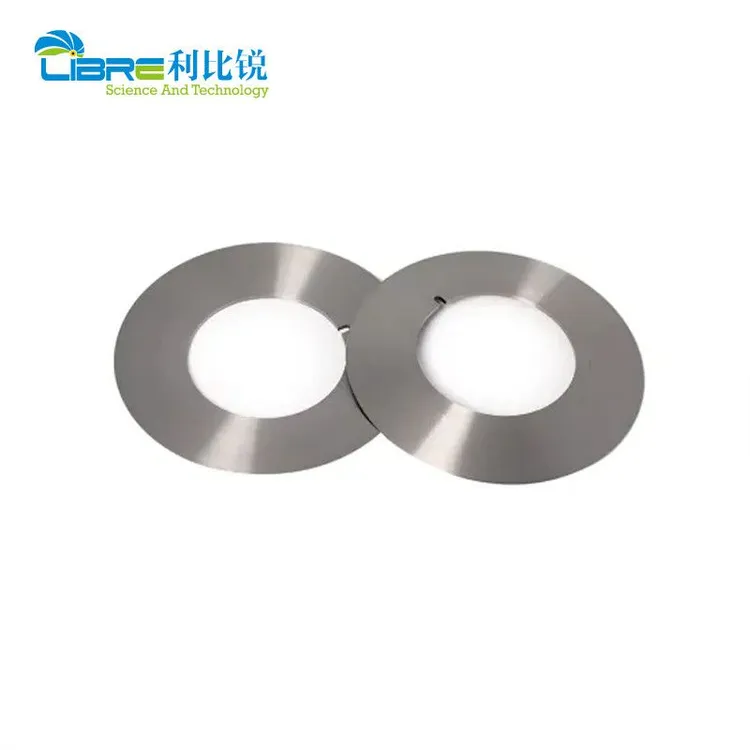
Understanding the Engineering and Composition of HSS Circular Knives
In the realm of industrial manufacturing, precision and durability are non-negotiable, making hss circular knives a cornerstone of high-efficiency cutting operations. High Speed Steel, commonly abbreviated as HSS, is not merely a marketing term but a specific class of tool steel alloyed with tungsten, molybdenum, chromium, and vanadium. This unique chemical composition allows the material to retain its hardness and cutting edge even when subjected to the intense heat generated during high-speed friction. Unlike carbon steels, which soften rapidly under thermal stress, HSS maintains its structural integrity, ensuring consistent cut quality over extended production runs. The term "High Speed" historically referred to the ability of these tools to cut at significantly higher speeds than their predecessors without losing their temper, a capability that remains vital in modern automated machinery.
The manufacturing process of hss round knives involves rigorous heat treatment procedures, including quenching and multiple tempering cycles, to achieve the desired metallurgical structure. This process transforms the steel's crystalline lattice, enhancing its ability to withstand mechanical shock and abrasive wear. The presence of carbide-forming elements like vanadium creates hard, wear-resistant particles within the steel matrix, which act as micro-cutting edges and extend the tool's lifespan. For industrial buyers, understanding this composition is crucial because it directly correlates with the knife's performance in demanding applications, from slicing soft polymers to processing abrasive composites. The choice of alloy grade further refines these properties, allowing engineers to select a blade that matches the specific mechanical demands of their production line.
Furthermore, the versatility of HSS stems from its balanced mechanical properties, offering a superior combination of toughness and hardness. While ceramic or carbide materials may offer higher wear resistance, they often lack the necessary fracture toughness to handle the vibrations and impacts inherent in industrial slitting and rewinding processes. HSS provides a resilient alternative that can absorb shock without chipping or cracking, making it ideal for continuous operation in high-volume environments. As industries increasingly demand longer maintenance intervals and higher throughput, the reliability offered by high-quality HSS alloys becomes a significant factor in reducing downtime and operational costs. This engineering foundation sets the stage for exploring the specific performance characteristics that define these industrial cutting solutions.
Key Features: Hardness, Wear Resistance, and Toughness
The performance of any industrial blade is defined by the triad of hardness, wear resistance, and toughness. Hardness in HSS circular knives is typically measured on the Rockwell C scale, with premium grades achieving values between 63 and 67 HRC. This high level of hardness ensures that the cutting edge remains sharp and does not deform under pressure, which is essential for maintaining clean cuts on materials like metal foils or dense plastics. However, hardness alone does not guarantee performance; wear resistance is equally critical. The microstructure of the steel, particularly the distribution and size of carbides, determines how well the knife resists abrasion from filled materials, such as fiberglass-reinforced plastics or carbon fiber sheets. A well-engineered HSS blade minimizes edge degradation, thereby extending the time between sharpening cycles and reducing waste.
Toughness, often overlooked in favor of hardness, is the ability of the knife to absorb energy and deform without fracturing. In high-speed rotary applications, the blade experiences significant centrifugal forces and potential impacts from foreign objects or material inconsistencies. A knife that is too hard may be brittle and prone to chipping, while one that is too tough may dull quickly. The beauty of HSS lies in its ability to be heat-treated to strike an optimal balance between these competing properties. For applications involving heavy-duty cutting or irregular material feeds, selecting an HSS grade with enhanced toughness ensures that the blade can withstand mechanical stress without catastrophic failure, thereby protecting both the product and the machinery from damage.
Industrial Applications and Sector-Specific Advantages
The adaptability of high speed steel circular knives is best demonstrated by their widespread use across diverse manufacturing sectors, particularly in the processing of flexible materials. In the packaging industry, where speed and precision are paramount, these knives are essential for slitting plastic films, laminates, and non-woven fabrics. The sharp, durable edge of an HSS blade ensures clean cuts without fraying or melting the material, a common issue with inferior blades that generate excessive heat. This capability is critical for maintaining the aesthetic and functional integrity of packaging materials, which often undergo further processing such as printing or sealing. The consistent performance of HSS knives allows manufacturers to run at high speeds without compromising cut quality, directly impacting throughput and profitability.
Beyond plastics, HSS circular knives are indispensable in the paper and cardboard processing industries. Here, the knives must handle the abrasive nature of recycled fibers and adhesives while maintaining a keen edge. The wear resistance of HSS alloys ensures that the knives can process large volumes of corrugated board or specialty papers without frequent downtime for replacement. Additionally, the toughness of the material allows these blades to withstand the rigors of continuous operation in heavy-duty slitting lines. Whether used in converting facilities for creating precise widths of paper products or in recycling plants for shredding and sorting, HSS knives provide a reliable solution that balances cost-effectiveness with high performance. Their ability to be resharpened multiple times further enhances their economic value, making them a sustainable choice for long-term industrial operations.
Slitting and Cutting Plastic Films and Sheets
When processing plastic films, such as polyethylene, polypropylene, or polyester, the cutting action must be precise to avoid edge defects like burrs or whiskers. HSS circular knives are engineered with specific geometries and surface finishes to minimize friction and heat generation during the slitting process. The high-speed steel's ability to hold a fine edge ensures that the cut surface remains smooth, which is crucial for downstream applications like lamination or bag making. Furthermore, the thermal stability of HSS prevents the blade from transferring excessive heat to the plastic, which could otherwise cause melting or adhesion to the blade surface. This thermal management is vital for maintaining product quality and reducing the frequency of cleaning and maintenance, thereby optimizing overall production efficiency.
Paper and Cardboard Processing
In the paper industry, the challenge lies in cutting through multi-layered and often abrasive materials without dulling the blade rapidly. HSS circular knives offer superior wear resistance compared to standard carbon steel, allowing them to maintain their cutting efficiency over longer periods. The toughness of the steel also protects against chipping when cutting through staples, labels, or other foreign objects that may be present in recycled paper products. This durability is particularly important in high-speed converting operations where even minor blade failures can lead to significant production losses. By utilizing HSS knives, manufacturers can ensure consistent cut quality and reduce the risk of machine jams caused by dull or damaged blades, leading to smoother and more reliable production workflows.
Optimizing Performance Through Material Selection and Geometry
Selecting the correct alloy grade is a critical decision when specifying hss circular knives for a particular application. The most common grades, such as M2 and M42, offer distinct advantages based on their chemical composition. M2, a molybdenum-based HSS, is widely used for its excellent all-around performance, offering a good balance of hardness, toughness, and wear resistance. It is suitable for a broad range of applications, including cutting steel, aluminum, and non-ferrous metals. On the other hand, M42, which contains cobalt, provides significantly higher hot hardness and wear resistance, making it ideal for high-abrasion applications or cutting materials that generate intense heat. Understanding the specific requirements of the material being cut allows engineers to choose the optimal alloy, ensuring maximum tool life and cutting efficiency.
Equally important is the geometric design of the knife, which includes the radius, bevel, and clearance angles. The radius of the cutting edge affects the sharpness and durability of the blade; a smaller radius provides a sharper cut but may be more prone to chipping, while a larger radius offers greater durability for tougher materials. The bevel angle determines the wedge shape of the blade, influencing the cutting force required and the quality of the cut. A smaller bevel angle results in a sharper edge but reduces strength, whereas a larger angle provides more support for the edge. The clearance angle is crucial for preventing friction between the blade's back and the material being cut, which can cause heat buildup and premature dulling. Properly optimizing these geometric parameters ensures that the knife performs efficiently and lasts longer in service.
Material Selection: M2, M42, and Other Alloys
The choice between M2 and M42 often hinges on the specific demands of the cutting task. M2 is generally preferred for general-purpose applications where a balance of cost and performance is required. It is versatile and can handle a variety of materials, from soft plastics to harder metals, making it a popular choice for multi-purpose cutting operations. M42, with its cobalt content, is selected for more demanding applications where high heat and abrasion are present. While M42 is more expensive, its extended tool life and ability to maintain a sharp edge at higher temperatures can justify the initial investment in high-volume or high-precision environments. Additionally, other specialized alloys may be considered for niche applications, offering unique properties such as increased corrosion resistance or enhanced toughness for specific industrial needs.
Geometry: Radius, Bevel, and Clearance Angles
Optimizing the geometry of HSS circular knives requires a deep understanding of the interaction between the blade and the material. For delicate materials like thin films, a sharp radius and a small bevel angle are preferred to minimize cutting force and prevent tearing. In contrast, for thicker or more abrasive materials, a larger radius and a more robust bevel angle provide the necessary strength to prevent edge damage. The clearance angle must be carefully calibrated to ensure that the blade clears the material without rubbing, which can cause heat buildup and accelerate wear. By tailoring these geometric features to the specific application, manufacturers can achieve optimal cutting performance, extend tool life, and reduce operational costs. This precision engineering is what distinguishes high-quality HSS knives from generic alternatives.
Maintenance and Sharpening Best Practices
Proper maintenance is essential to preserve the performance and longevity of hss circular knives. One of the most critical aspects of maintenance is the sharpening process, which must be performed using specialized equipment and techniques to avoid damaging the blade. High-speed steel requires specific grinding wheels and cooling methods to prevent overheating, which can lead to tempering and loss of hardness. It is recommended to use diamond or CBN grinding wheels for sharpening HSS knives, as they provide a precise and efficient cut while minimizing heat generation. Additionally, the sharpening process should be performed by trained professionals who understand the correct angles and pressures required to restore the blade's edge without compromising its structural integrity. Regular sharpening, rather than waiting for the blade to become completely dull, can extend the overall life of the knife and maintain consistent cut quality.
Avoiding common mistakes during sharpening is equally important. One frequent error is applying excessive pressure, which can cause the blade to overheat and develop micro-cracks. Another mistake is using the wrong grinding wheel, which can leave a rough surface finish on the blade, leading to premature dulling. It is also crucial to maintain the original geometry of the blade during sharpening; altering the bevel or clearance angles can negatively impact cutting performance. By adhering to best practices and using the correct equipment, manufacturers can ensure that their HSS circular knives continue to perform at their best. Investing in proper maintenance not only extends the life of the knives but also reduces the risk of production downtime and product waste, ultimately contributing to a more efficient and cost-effective operation.
Proper Sharpening Techniques and Equipment
Investing in high-quality sharpening equipment is a key strategy for maintaining the performance of HSS circular knives. Precision grinders with computer-controlled angles ensure that the blade is sharpened consistently and accurately, preserving the original geometry. These machines often include cooling systems to dissipate heat during the grinding process, preventing thermal damage to the steel. Additionally, using the correct grinding wheel material, such as diamond or CBN, ensures a smooth and precise cut. Regular calibration of the sharpening equipment is also essential to maintain accuracy. By following these techniques, manufacturers can ensure that their knives are restored to their optimal cutting condition, maximizing their lifespan and performance.
Common Mistakes to Avoid
Several common mistakes can significantly reduce the life and performance of HSS circular knives. Overheating during sharpening is a primary concern, as it can lead to loss of hardness and structural damage. This can be avoided by using appropriate cooling methods and avoiding excessive pressure. Another mistake is altering the blade's geometry during sharpening, which can result in poor cut quality and increased wear. It is also important to avoid using worn-out or incorrect grinding wheels, as they can leave a rough surface finish on the blade. By being aware of these pitfalls and adhering to best practices, manufacturers can ensure that their HSS knives continue to deliver high-quality cuts and reliable performance over time.
Conclusion
Selecting the right HSS circular knife is a strategic decision that impacts the efficiency, quality, and cost-effectiveness of industrial cutting operations. By understanding the composition, geometry, and maintenance requirements of these tools, manufacturers can optimize their processes and achieve superior results. Whether you are processing delicate films or abrasive materials, the right HSS solution can provide the durability and precision needed to meet demanding production goals.
Explore our comprehensive range of industrial cutting solutions. Browse our HSS Circular Knives catalog to find the perfect blade for your application.
