
Core Technology of the KDF 3000
The hauni kdf machine stands as a benchmark in modern tobacco processing, renowned for its ability to deliver consistent, high-quality cut tobacco with minimal waste. At the heart of this system lies a sophisticated mechanical architecture designed to handle the delicate fibers of tobacco while maintaining precise dimensional tolerances. Unlike older generation cutters, the KDF 3000 utilizes a synchronized rotating drum system that ensures uniform strand thickness, which is critical for downstream manufacturing processes such as cigarette rolling and cigar production. Understanding the fundamental mechanics of this equipment is essential for plant managers who wish to maximize throughput and minimize downtime. The technology integrates advanced material handling capabilities, allowing for seamless transitions between different tobacco blends without compromising the integrity of the cut.
One of the defining features of the kdf tobacco cutter is its modular design, which facilitates easier access to critical components during operation and maintenance. This modularity not only speeds up changeover times but also enhances safety by isolating hazardous moving parts during service procedures. The machine’s control system, often integrated with PLC interfaces, provides real-time monitoring of key performance indicators such as motor load, vibration levels, and cut quality metrics. By leveraging these digital insights, operators can make data-driven decisions to optimize production parameters. This technological sophistication ensures that the machine remains adaptable to the evolving demands of the global tobacco industry, where consistency and efficiency are paramount.
The precision engineering inherent in the KDF 3000 extends to its feeding mechanism, which employs a combination of pneumatic and mechanical controls to regulate the flow of tobacco into the cutting zone. This precise regulation prevents overfeeding, which can lead to jamming or uneven cuts, and underfeeding, which reduces overall efficiency. The system’s ability to maintain a steady state of operation is crucial for achieving the desired burn rate and draw characteristics in the final product. Furthermore, the integration of automated cleaning systems helps to reduce manual intervention, thereby lowering labor costs and minimizing the risk of human error. As the industry moves towards more automated and connected factories, the KDF 3000’s compatibility with Industry 4.0 standards positions it as a future-proof investment for manufacturing facilities.
Precision Engineering in Tobacco Processing
When discussing the hauni kdf machine, it is impossible to overlook the role of precision engineering in achieving superior cut quality. The KDF 3000 is equipped with high-precision bearings and hardened steel components that resist wear and deformation over time, ensuring that the machine maintains its accuracy even after years of continuous operation. This level of engineering excellence is particularly important when processing high-value tobacco varieties, where even minor deviations in cut size can significantly impact the final product’s marketability. The machine’s structural rigidity minimizes vibration during high-speed operation, which is a common cause of inconsistent cuts in less robust systems. By prioritizing stability and durability, Hauni has created a piece of equipment that delivers reliable performance across a wide range of operating conditions.
The kdf tobacco cutter also incorporates advanced thermal management systems to prevent overheating of critical components during extended production runs. Excessive heat can lead to premature wear of seals and bearings, as well as potential degradation of the tobacco fibers themselves. The cooling mechanisms integrated into the KDF 3000 ensure that the machine operates within optimal temperature ranges, preserving both the mechanical integrity of the equipment and the quality of the processed tobacco. Additionally, the use of high-quality lubricants and sealed bearing housings reduces the frequency of maintenance interventions, allowing for longer periods of uninterrupted production. This attention to detail in the engineering phase translates directly into lower total cost of ownership for the end-user.
Furthermore, the precision engineering of the KDF 3000 is evident in its ability to handle varying moisture contents in tobacco without requiring extensive recalibration. The machine’s adaptive control algorithms adjust cutting parameters in real-time to compensate for changes in material density and elasticity. This adaptability is crucial for manufacturers who source tobacco from multiple regions with different climatic conditions. By maintaining consistent cut quality regardless of input variability, the KDF 3000 helps producers meet strict quality control standards. The result is a product that not only meets but exceeds industry expectations for uniformity and performance, thereby enhancing brand reputation and customer satisfaction.
Knife Assembly and Cutting Unit Details
The heart of the hauni kdf machine is its cutting unit, which consists of a series of precision-ground knives mounted on a rotating drum. These knives are designed to interact with stationary anvil blades to produce clean, consistent cuts with minimal fiber damage. The geometry of the knife edge is critical; it must be sharp enough to slice through tobacco fibers cleanly but durable enough to withstand the abrasive nature of the material. Regular inspection of the knife assembly is essential to identify signs of wear, chipping, or corrosion that could compromise cut quality. Operators should pay close attention to the alignment of the knives, as even minor misalignments can lead to uneven cuts and increased material waste. Proper maintenance of this assembly is key to maintaining the high standards associated with the KDF 3000.
Identifying genuine vs. aftermarket parts is a critical decision for maintaining the performance and longevity of the kdf tobacco cutter. Genuine Hauni parts are manufactured to exacting specifications, ensuring perfect fit and function within the cutting unit. Aftermarket alternatives, while often cheaper, may not meet the same tolerances, leading to premature wear, increased vibration, and potential damage to other components. For instance, inferior knife materials may dull faster, requiring more frequent changes and increasing downtime. Moreover, non-genuine parts may not integrate seamlessly with the machine’s control system, potentially triggering false alarms or operational errors. Investing in genuine parts ensures that the machine operates at peak efficiency and maintains its warranty coverage.
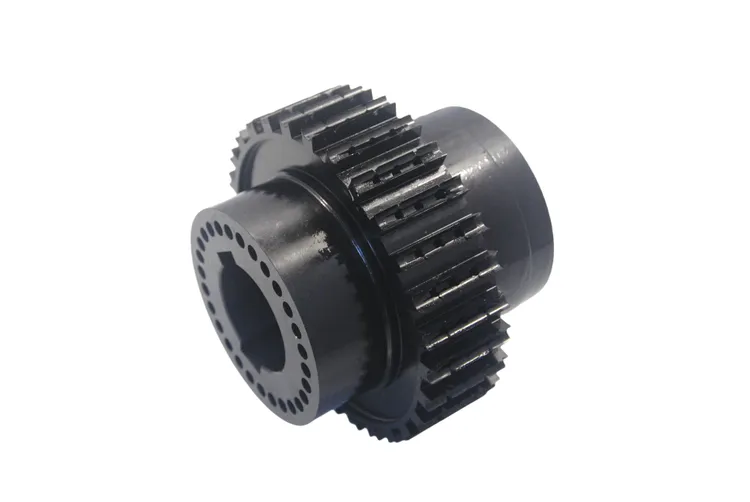
In addition to the knives themselves, the cutting unit includes several other critical components such as drive gears, shafts, and mounting brackets. These parts must be inspected regularly for signs of fatigue or damage. The drive system, in particular, must be kept in optimal condition to ensure smooth rotation of the cutting drum. Any play or backlash in the drive gears can lead to inconsistent cutting speeds, affecting the uniformity of the tobacco strands. It is also important to ensure that the anvil blades are properly seated and aligned with the rotating knives. Regular cleaning of the cutting unit to remove tobacco dust and debris is essential to prevent buildup that could interfere with the cutting action. By adhering to strict maintenance protocols for the cutting unit, operators can ensure consistent product quality and extend the service life of the machine.
Daily Maintenance Checklist for Operators
A rigorous daily maintenance checklist is essential for keeping the hauni kdf machine in optimal working condition. At the start of each shift, operators should perform a visual inspection of the entire machine, looking for any obvious signs of damage, loose fasteners, or unusual wear. Particular attention should be paid to the cutting unit, where operators should check for accumulated tobacco residue or debris. Cleaning the cutting area with appropriate tools and compressed air helps to prevent buildup that could interfere with the cutting action. Additionally, operators should verify that all safety guards and interlocks are in place and functioning correctly. This simple step can prevent accidents and ensure compliance with workplace safety regulations.
Checking the lubrication levels is another critical task in the daily routine. The kdf tobacco cutter relies on a precise lubrication system to reduce friction and wear on moving parts. Operators should inspect oil levels in the gearboxes and grease points on the bearings, topping up as necessary. It is also important to check for any signs of oil leaks, which could indicate a failing seal or gasket. Addressing leaks promptly can prevent more serious damage to the machine. Furthermore, operators should listen for any unusual noises during operation, such as grinding or squealing, which could indicate a problem with the bearings or drive system. Reporting these issues immediately to maintenance personnel can prevent costly breakdowns.
Finally, operators should review the machine’s performance data from the previous shift to identify any trends or anomalies. This includes monitoring cut quality metrics, production rates, and alarm logs. If there are any deviations from normal operating parameters, further investigation is required. For example, a sudden increase in waste material could indicate a dull knife or misalignment in the cutting unit. By taking a proactive approach to daily maintenance, operators can identify and address potential issues before they escalate into major problems. This not only improves machine reliability but also enhances overall production efficiency. Consistent adherence to the daily maintenance checklist is a hallmark of a well-run manufacturing facility.
Calibrating Knife Gaps and Roller Adjustments
Proper calibration of the hauni kdf machine is crucial for achieving the desired cut quality and minimizing waste. One of the most critical adjustments is the knife gap, which determines the thickness of the tobacco strands. Operators must follow the manufacturer’s specifications when setting this gap, using feeler gauges to ensure accuracy. An incorrect knife gap can lead to overly thick or thin strands, affecting the burn rate and draw of the final product. It is important to perform these adjustments with the machine stopped and locked out to ensure safety. After making any adjustments, operators should run a test batch and inspect the cut quality before resuming full production.
In addition to the knife gap, roller adjustments play a significant role in the performance of the kdf tobacco cutter. The feed rollers must be set to apply the correct amount of pressure on the tobacco mat to ensure consistent feeding into the cutting unit. Too much pressure can crush the tobacco fibers, while too little can lead to uneven feeding and inconsistent cuts. Operators should consult the machine’s manual for the recommended roller settings based on the type and moisture content of the tobacco being processed. Regularly checking and adjusting the roller pressure helps to maintain optimal cutting performance. It is also important to inspect the rollers for wear or damage, as worn rollers can slip and cause feeding issues.
Calibration should not be a one-time event but rather an ongoing process that adapts to changes in production conditions. Factors such as changes in tobacco variety, moisture content, or ambient temperature can all affect the optimal settings for the machine. Operators should be trained to recognize these changes and make appropriate adjustments. Regular calibration checks, ideally performed by a qualified technician, can help to ensure that the machine remains within specification. Documenting all calibration adjustments in a maintenance log provides a valuable record for troubleshooting and continuous improvement. By maintaining precise control over knife gaps and roller adjustments, operators can ensure consistent product quality and maximize the efficiency of the hauni kdf machine.
Preventive Maintenance Strategies
Implementing a robust preventive maintenance program is essential for maximizing the uptime and lifespan of the hauni kdf machine. Unlike reactive maintenance, which addresses issues only after they occur, preventive maintenance involves scheduled inspections and servicing to identify and rectify potential problems before they lead to failure. This approach minimizes unplanned downtime and reduces the risk of catastrophic equipment failure. Key components such as bearings, belts, and seals should be inspected and replaced on a scheduled basis, even if they appear to be in good condition. By adhering to a strict preventive maintenance schedule, manufacturers can ensure that their kdf tobacco cutter operates at peak efficiency and reliability.
One effective strategy for extending the lifespan of the cutting unit is to monitor the condition of the knives and anvil blades closely. These components are subject to significant wear and should be replaced before they become too dull to cut effectively. Dull knives not only produce poor quality cuts but also place additional stress on the machine’s drive system, leading to increased energy consumption and potential damage. Operators should establish a routine for inspecting and replacing knives based on usage hours or cut quality metrics. Additionally, keeping the cutting unit clean and free of debris helps to reduce wear on these critical components. Proper storage of spare knives in a dry, clean environment also prevents corrosion and ensures they are ready for use when needed.
Training operators and maintenance staff in best practices for preventive maintenance is equally important. Employees should be educated on the specific requirements of the hauni kdf machine, including proper lubrication techniques, cleaning procedures, and calibration methods. Regular training sessions and refresher courses help to ensure that staff remain up-to-date with the latest maintenance techniques and technologies. Furthermore, encouraging a culture of accountability and attention to detail among staff can significantly enhance the effectiveness of the preventive maintenance program. By investing in both the equipment and the people who operate it, manufacturers can achieve long-term reliability and cost savings.
Benefits of Authorized Distributors
Partnering with authorized distributors for the hauni kdf machine offers numerous advantages for tobacco manufacturers. These distributors have direct access to genuine spare parts and technical support from Hauni, ensuring that the machine receives the highest level of care and attention. Authorized distributors are also trained to provide expert advice on maintenance, troubleshooting, and optimization, helping operators to get the most out of their equipment. By sourcing parts and services through authorized channels, manufacturers can avoid the risks associated with counterfeit or substandard components. This partnership ensures that the machine remains in compliance with Hauni’s specifications, preserving its performance and warranty coverage.
Warranty and quality assurance are critical considerations when maintaining industrial machinery. Authorized distributors provide comprehensive warranty coverage for parts and services, giving manufacturers peace of mind knowing that they are protected against unexpected repair costs. In the event of a malfunction, authorized distributors can quickly diagnose and resolve issues, minimizing downtime. They also offer regular service visits and inspections to ensure that the machine continues to operate within specification. This proactive approach to maintenance helps to prevent costly breakdowns and extends the overall lifespan of the machine. By choosing authorized distributors, manufacturers can
