
Understanding the Fundamentals of Slitting Operations
Defining Slitter Blades vs. Slitting Knives
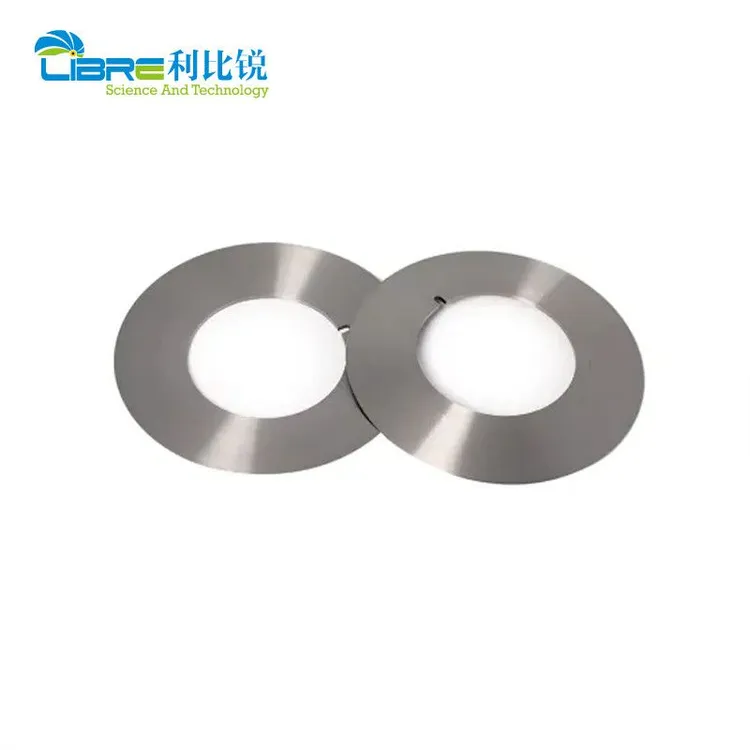
In the high-precision world of industrial manufacturing, terminology often dictates the specific application and performance expectations of the tooling. When discussing slitter blades, it is crucial to distinguish them from general-purpose cutting tools. While the terms are sometimes used interchangeably in casual conversation, in a technical context, slitter blades refer specifically to the circular or straight-edged tools designed for continuous, high-speed web processing. These blades are engineered to slice through materials like paper, film, and foil with minimal resistance and maximum edge retention. The distinction becomes critical when evaluating machinery compatibility and material science requirements.
Conversely, "slitting knives" often refer to straight-edged tools used in simpler, lower-speed applications or specific die-cutting processes. However, in modern rotary slitting systems, the focus is almost exclusively on circular geometry. The choice between a rotary slitter and a straight knife system depends largely on the tensile strength and thickness of the material being processed. Rotary systems offer superior speed and consistency, making them the industry standard for converting lines that handle large rolls of flexible materials. Understanding this nuance ensures that procurement teams select the correct tooling for their specific machinery configuration.
Furthermore, the geometry of the blade edge plays a pivotal role in the quality of the cut. A poorly defined edge can lead to material deformation, dust generation, and premature wear. Therefore, when sourcing components, engineers must look beyond basic dimensions and consider the micro-geometry of the cutting edge. This includes the radius of the corner and the angle of the bevel. Selecting the right terminology helps in communicating effectively with technical support teams and ensures that the purchased components meet the rigorous demands of continuous industrial operation.
The Role of Precision in Industrial Slitting
Precision is not merely a desirable trait in industrial slitting; it is the fundamental requirement for profitability and product quality. High-quality precision slitter blades ensure that the width tolerance of the slit material remains within microns, which is essential for downstream processes such as coating, laminating, or packaging. Any deviation in blade sharpness or alignment can result in edge defects, such as chattering, burring, or uneven tension, which ultimately compromise the final product's integrity. In industries like medical device manufacturing or electronics, even microscopic imperfections can lead to significant waste or functional failures.
The impact of blade precision extends directly to machine uptime and operational efficiency. Dull or imprecise blades require higher cutting forces, which place additional stress on the machine’s bearings, gears, and drive systems. This increased friction not only accelerates mechanical wear but also generates heat that can damage sensitive materials like thin plastic films or adhesives. By investing in high-precision tooling, manufacturers can maintain consistent tension profiles, reduce material waste, and extend the service life of their converting equipment. This holistic view of precision highlights the importance of viewing blades not just as consumables, but as critical components of the production ecosystem.
Additionally, precision slitting contributes to safety and environmental sustainability. Clean cuts generate less dust and debris, reducing the load on filtration systems and improving workplace air quality. It also minimizes the need for secondary finishing operations, such as trimming or polishing, which consume additional energy and resources. As industries move towards lean manufacturing principles, the ability to produce perfect edges in a single pass becomes a key competitive advantage. Therefore, the selection and maintenance of precision blades are strategic decisions that influence the bottom line, environmental footprint, and brand reputation of the manufacturer.
Types of Slitter Blades and Their Applications
Circular Slitter Blades: Convex, Concave, and Flat
The geometry of rotary slitter blades is tailored to specific material behaviors and cutting requirements. Circular blades are the most common type used in high-speed converting lines, and they generally fall into three main categories: convex, concave, and flat. Convex blades feature a rounded edge that allows for a precise, narrow cut, making them ideal for thin films and foils where minimal material deformation is required. The rounded profile ensures that the cutting force is concentrated on a small area, resulting in a clean edge without crushing the material structure.
Concave blades, on the other hand, have a hollow-ground edge that creates a sharp, knife-like point. This design is particularly effective for thicker materials such as paper, cardboard, and non-woven fabrics. The concave shape allows for a deeper bite into the material, facilitating easier penetration and reducing the risk of tearing. However, because the contact area is smaller, these blades require precise tension control to prevent excessive wear. Manufacturers must carefully select the radius of the concave grind based on the thickness and hardness of the web being processed to achieve optimal performance.
Flat blades, also known as straight-ground blades, are used for applications where a wider contact area is beneficial, such as in the slitting of rubber or certain composite materials. They provide stability and reduce the risk of the blade diving into the material, which can happen with convex or concave blades under high tension. The choice between these geometries depends on a complex interplay of material properties, line speed, and desired edge quality. A knowledgeable slitter blade supplier can guide engineers in selecting the optimal geometry to balance cutting efficiency with blade longevity, ensuring that the converting line operates at peak performance.
Razor and Score Blades for Specific Applications
Beyond standard circular blades, specialized tooling such as razor and score blades serves niche but critical functions in industrial slitting. Razor blades are thin, straight-edged tools typically used in low-speed, high-precision applications or for trimming edges. They are often employed in the packaging industry for cutting cardboard or in laboratory settings for precise sample preparation. While they lack the durability of rotary blades, their affordability and ease of replacement make them suitable for intermittent or low-volume operations where cost sensitivity is a primary concern.
Score blades, also known as creasing or nibbling blades, are designed to cut partially through a material without separating it completely. This technique is essential in the packaging industry for creating fold lines on boxes or cartons. The blade is typically mounted at an angle and pressed into the material to create a controlled weakness that allows for clean folding. The depth of the cut must be meticulously controlled to avoid cutting through the material, which would compromise the structural integrity of the package. Proper selection of score blade geometry and hardness is vital to prevent material distortion and ensure consistent fold lines.
These specialized blades highlight the importance of matching tooling to the specific mechanical action required by the application. While rotary slitting is dominant for continuous web processing, razor and score blades offer unique advantages for finishing and packaging tasks. Manufacturers should evaluate their entire production workflow to determine where these specialized tools can add value, whether through improved aesthetic quality, reduced material waste, or enhanced process efficiency. Integrating the right combination of rotary and specialized blades ensures a comprehensive solution for diverse manufacturing needs.
Material Science and Coating Technologies
High-Speed Steel (HSS) vs. Carbide-Tipped Blades
The core material of a slitter blade determines its hardness, wear resistance, and overall lifespan. High-Speed Steel (HSS) has long been the standard for general-purpose slitting applications due to its excellent balance of toughness and hardness. HSS blades are resistant to chipping and can withstand the shock loads associated with slitting materials that may have slight irregularities or splices. They are cost-effective and easy to sharpen, making them a popular choice for paper, plastic films, and light-duty metal foils. However, their wear resistance is limited compared to more advanced materials.
Carbide-tipped blades, composed of tungsten carbide particles bonded with a metal binder, offer superior hardness and wear resistance. These blades are ideal for abrasive materials such as fiberglass, carbon fiber, and certain composite materials that would quickly dull HSS blades. The extreme hardness of carbide allows for higher line speeds and longer intervals between sharpening, which reduces downtime and labor costs. While the initial investment is higher, the total cost of ownership is often lower for high-volume, abrasive applications due to the extended service life and consistent cut quality.
Selecting between HSS and carbide requires a careful analysis of the material being slit, the line speed, and the budget. For soft, non-abrasive materials, HSS provides sufficient performance at a lower cost. For hard, abrasive, or high-precision applications, carbide is the superior choice. Additionally, hybrid blades that combine HSS bodies with carbide tips offer a middle ground, providing the toughness of steel with the wear resistance of carbide at the cutting edge. Understanding these material properties allows manufacturers to make informed decisions that optimize both performance and cost-efficiency.
Advanced Coatings: DLC, TiN, and Teflon Benefits
Surface coatings play a crucial role in enhancing the performance and longevity of slitter blades. Diamond-Like Carbon (DLC) coatings are among the most advanced options available, offering exceptional hardness and low friction. DLC-coated blades are ideal for sticky materials like adhesives and tapes, as the non-stick surface prevents material buildup on the blade edge. This reduces the frequency of cleaning and maintains consistent cut quality over extended periods. The high hardness of DLC also contributes to wear resistance, extending the blade's service life in demanding applications.
Titanium Nitride (TiN) coatings provide a good balance of hardness and lubricity, making them suitable for a wide range of materials. TiN coatings are known for their gold color and excellent wear resistance, which helps protect the underlying steel from abrasion. They are particularly effective in reducing friction during the cutting process, which minimizes heat generation and prevents material damage. TiN is a cost-effective option that offers significant improvements over uncoated blades, making it a popular choice for general-purpose slitting operations.
Teflon (PTFE) coatings are primarily used for their non-stick properties, making them ideal for applications involving sticky or gummy materials. These coatings prevent adhesion of the material to the blade, ensuring clean cuts and reducing the risk of edge defects. While Teflon coatings may not offer the same level of wear resistance as DLC or TiN, their ability to prevent material buildup makes them invaluable in specific industries such as adhesive tape and label converting. Selecting the right coating depends on the specific challenges posed by the material being processed, and consulting with a technical expert can help identify the optimal coating solution.
Application-Specific Solutions
Slitter Blades for Paper, Plastic Film, and Adhesive Tape
Different materials present unique challenges that require tailored blade solutions. For paper and cardboard, the primary concern is achieving clean cuts without generating excessive dust or fibers. HSS blades with a concave grind are commonly used, as they penetrate the material efficiently while maintaining edge sharpness. The moisture content and caliper of the paper must be considered when selecting the blade geometry to prevent tearing or deformation. Consistent tension control is also critical to ensure uniform slit widths across the roll.
Plastic films, such as PET, PE, and PP, require blades that minimize edge deformation and static generation. Convex blades are often preferred for thin films, as they provide a precise cut with minimal contact area. The smoothness of the blade surface is crucial to prevent scratching or marring the film. Additionally, anti-static coatings may be applied to the blades to reduce the buildup of static electricity, which can cause films to cling together and create handling issues. The choice of blade material and coating must be optimized to handle the specific friction and thermal properties of each polymer type.
Adhesive tape slitting presents one of the most challenging applications due to the sticky nature of the material. Blades with specialized non-stick coatings, such as DLC or PTFE, are essential to prevent adhesive buildup on the cutting edge. The blade geometry must be designed to slice through the tape cleanly without pulling or stretching the adhesive. High-speed steel with a fine edge is often used, combined with regular cleaning and maintenance to ensure consistent performance. The ability to handle these difficult materials efficiently is a key differentiator for high-quality slitting operations.
Specialized Solutions for Non-Woven Fabric and Rubber
Non-woven fabrics, commonly used in medical and hygiene products, require blades that can cut through fibrous materials without fraying or shredding the edges. Convex or semi-convex blades with a sharp, fine edge are typically used to ensure clean cuts. The blade material must be hard enough to resist wear from the abrasive fibers but tough enough to prevent chipping. Regular sharpening is essential to maintain cut quality, as dull blades can cause significant edge degradation. The selection of the blade also depends on the density and composition of the non-woven material.
Rubber slitting involves cutting through elastic, high-friction materials that can generate significant heat and wear on the blade. Flat or slightly convex blades made from carbide or high-quality HSS are often used to provide stability and reduce the risk of the blade diving into the material. The cooling and lubrication of the cutting zone are critical to prevent heat buildup, which can degrade the rubber and damage the blade. Specialized coatings may be applied to reduce friction and improve heat dissipation. Understanding the viscoelastic properties of rubber is essential for selecting the right blade and optimizing the cutting parameters.
Maintenance and Supplier Selection
Signs It’s Time for Slitter Blade Replacement
Recognizing the signs of blade wear is critical to maintaining product quality and preventing machine damage. Common indicators include rough or jagged edges on the slit material, increased dust generation, and visible burrs on the material surface. If the blade begins to chatter or vibrate during operation, it is a clear sign that the edge has become
