
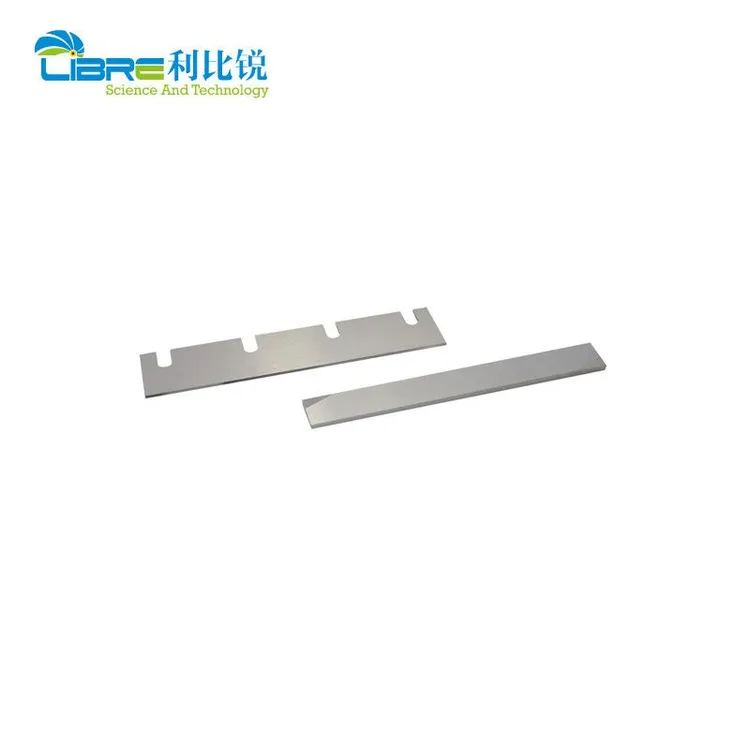
Strategic Sourcing for Hauni Protos Spare Parts in Modern Tobacco Processing
In the high-speed environment of tobacco processing, maintaining the operational continuity of a Hauni Protos cigarette maker is paramount. The demand for Hauni Protos spare parts has never been higher, driven by the need to minimize downtime and maximize production efficiency. When critical components fail, the choice between waiting for original equipment manufacturer (OEM) shipments or sourcing alternative solutions can significantly impact a plant’s bottom line. This guide explores the nuances of acquiring reliable replacement components, focusing on how modern procurement strategies can balance cost, speed, and technical precision.
Operators often face a dilemma when their machinery requires immediate attention. The traditional reliance on single-source suppliers can lead to extended lead times, which directly translate into lost revenue and missed delivery commitments. By understanding the technical specifications and quality standards associated with these components, plant managers can make informed decisions. This article serves as a comprehensive resource for those seeking to optimize their maintenance schedules through strategic sourcing of Hauni Protos replacement parts that meet rigorous industrial standards.
Furthermore, the landscape of industrial spare parts has evolved. Today, third-party manufacturers have developed sophisticated capabilities to produce components that are not only compatible but often superior in durability and performance to their predecessors. This shift empowers facility managers to diversify their supply chains, reducing dependency on single vendors. As we delve deeper into this guide, we will examine the specific challenges of OEM delays, the cost-efficiency of alternative sourcing, and the technical verification processes that ensure these parts perform flawlessly in high-stress production environments.
The Challenge of Original Equipment Manufacturer (OEM) Delays
One of the most significant hurdles in tobacco processing maintenance is the unpredictability of OEM supply chains. While OEMs guarantee authenticity, their production cycles are often tied to broader automotive or heavy machinery markets, leading to extended lead times for specific Hauni Protos spare parts. For a production line running 24/7, a delay of even a few days can result in substantial financial losses. These delays are exacerbated during peak production seasons or when global logistics networks face disruptions, leaving maintenance teams scrambling for immediate solutions.
Additionally, the administrative burden associated with ordering from a single OEM can be prohibitive. Minimum order quantities, complex cataloging systems, and rigid pricing structures often discourage smaller maintenance operations from keeping an extensive inventory of critical spares. This lack of flexibility forces plants to operate with leaner inventories, increasing the risk of production stoppages when unexpected failures occur. The challenge is not just about finding the part, but finding it quickly enough to maintain operational momentum.
Moreover, the obsolescence of older Protos models complicates the sourcing process further. As machines age, OEMs may discontinue support or reduce production runs for legacy components, making them increasingly difficult to procure. This creates a vulnerability for facilities that rely on older but still functional machinery. The inability to secure long-term supply for these critical components forces plants to either invest in expensive overhauls or seek out specialized third-party suppliers who can bridge the gap between legacy equipment and modern availability.
Cost Efficiency Without Compromising Quality
The perception that third-party components are inferior to OEM parts is a common misconception that often leads to unnecessary expenditure. In reality, many third-party Hauni parts are manufactured using the same high-grade materials and precision engineering techniques as their OEM counterparts. By bypassing the branding premium and extensive distribution networks associated with original equipment, companies can achieve significant cost savings without sacrificing performance. This cost efficiency allows plants to reallocate budget towards other critical areas such as preventive maintenance programs or staff training.
Furthermore, competitive pricing in the aftermarket sector encourages continuous improvement in manufacturing standards. Third-party suppliers are often more agile and responsive to customer feedback, allowing them to refine their products more quickly than larger OEMs. This dynamic market environment fosters innovation, resulting in components that may offer enhanced durability or easier installation procedures compared to traditional OEM options. The financial benefit is not just in the unit price but in the total cost of ownership, which includes installation time and operational reliability.
It is crucial, however, to distinguish between low-quality imitations and engineered replacements. Reputable suppliers invest heavily in quality control and material testing to ensure their components meet or exceed original specifications. By partnering with certified suppliers who provide detailed documentation and warranties, plant managers can mitigate the risks associated with non-OEM sourcing. This approach ensures that cost savings do not come at the expense of machine integrity or product quality, creating a sustainable model for long-term operational excellence.
Technical Deep Dive: Critical Components and Performance Standards
When evaluating Hauni Protos spare parts, it is essential to focus on the core components that directly influence the quality of the final cigarette product and the stability of the machine. Two of the most critical areas are the microwave scanner system and the cutting mechanism. These components operate under extreme conditions, requiring precise calibration and robust construction to maintain consistency. Understanding the technical requirements of these parts helps in selecting replacements that will perform reliably under high-speed production loads.
The microwave scanner is responsible for monitoring the density and moisture content of the tobacco rod in real-time. Any deviation in signal stability can lead to inconsistent product quality, resulting in waste and customer dissatisfaction. Similarly, the cutting knives must maintain exceptional sharpness and hardness to ensure clean cuts without damaging the tobacco matrix. By prioritizing these specific components, maintenance teams can address the most common sources of quality issues and machine downtime, ensuring that the Protos operates at peak efficiency.
Moreover, the integration of these components with the machine’s control systems is vital. Modern Protos models rely on sophisticated feedback loops to adjust parameters dynamically. Replacement parts must be compatible with these digital interfaces to ensure seamless communication between hardware and software. This technical synergy is often overlooked but is crucial for maintaining the advanced functionality of the machine. Selecting parts that are not only mechanically compatible but also electronically integrated ensures that the machine can leverage its full potential for quality control and production optimization.
Microwave Scanner: Ensuring Signal Stability and Accuracy
The microwave scanner is the eyes of the quality control system in a Hauni Protos machine. It emits microwaves through the tobacco rod and measures the reflection to determine density and moisture levels. Over time, components within the scanner can degrade due to heat, vibration, and electromagnetic interference, leading to signal drift and inaccurate readings. High-quality replacement scanners are designed with advanced shielding and stable power supplies to minimize these effects, ensuring consistent signal output regardless of environmental conditions.
Accuracy is paramount in this process, as even minor deviations can result in significant quality variations across thousands of cigarettes per minute. Replacement units must undergo rigorous calibration testing to ensure they meet the strict tolerances required by Hauni specifications. This includes verifying the frequency stability, amplitude consistency, and response time of the sensor. By investing in scanners that have been precision-calibrated, operators can maintain high product quality standards and reduce the need for manual adjustments during production runs.
Additionally, the durability of the scanner housing and connectors is critical. In a dusty and humid environment, standard components may corrode or fail prematurely. Third-party manufacturers often use corrosion-resistant materials and sealed connectors to enhance the lifespan of the scanner. This robust construction reduces the frequency of replacements and maintenance interventions, contributing to overall machine availability. Ensuring that the scanner remains stable and accurate is a key factor in achieving zero-defect production goals.
Cutting Knives: Hardness Standards and Durability
The cutting knives in a Hauni Protos are subjected to immense mechanical stress, as they must slice through dense tobacco rods at high speeds. The hardness of the blade material is a critical factor in determining its lifespan and cutting performance. Standard OEM knives often use specific alloy steels that require frequent sharpening or replacement. High-quality third-party alternatives may utilize advanced ceramic composites or specialized steel treatments that offer superior hardness and wear resistance, extending the interval between maintenance cycles.
Durability is not just about material hardness but also about the precision of the blade geometry. Even a microscopic imperfection can lead to jagged cuts, increased dust generation, and higher power consumption. Replacement knives must be manufactured with tight tolerances to ensure a clean, precise cut every time. This precision reduces the load on the machine’s drive system and minimizes the accumulation of tobacco residue, which can otherwise lead to jams and quality issues. Investing in durable, precision-cut knives is a cost-effective strategy for maintaining high production speeds.
Furthermore, the ease of knife replacement is an important consideration for maintenance efficiency. Knives that are designed for quick and tool-less changes can significantly reduce downtime during maintenance shifts. Some third-party suppliers offer knife systems with standardized mounting interfaces that are compatible with various Protos models, simplifying inventory management. By selecting knives that combine durability, precision, and ease of use, plants can enhance their operational efficiency and reduce the labor costs associated with frequent maintenance tasks.
Ensuring Compatibility and Reliability Across Protos Models
Ensuring compatibility is the cornerstone of successful Hauni Protos replacement parts procurement. The Protos family includes several models, such as the Protos 70, 80, and 90, each with unique mechanical and electronic configurations. While there is often overlap in component design, subtle differences can render a part incompatible or suboptimal for a specific model. Suppliers must possess detailed technical knowledge of these variations to provide accurate recommendations. This level of expertise ensures that the parts ordered will fit seamlessly and function as intended, preventing costly errors and delays.
The evolution of the Protos line has introduced new technologies and materials over the years. Older models may rely on analog sensors, while newer versions utilize digital interfaces. Replacement parts must be selected with this technological progression in mind. For instance, a microwave scanner designed for a Protos 70 may not communicate effectively with the control system of a Protos 90. Therefore, it is essential to verify the model-specific requirements before making a purchase. This attention to detail ensures that the replacement part integrates smoothly with the existing machinery, maintaining system integrity and performance.
Furthermore, the quality of the supply chain plays a crucial role in ensuring long-term reliability. Reputable suppliers maintain strict quality control processes, including material testing and dimensional verification, to ensure that every part meets the required specifications. They also provide comprehensive documentation, including installation guides and compatibility charts, to assist maintenance teams. By choosing suppliers who prioritize transparency and quality, plant managers can mitigate the risks associated with non-OEM sourcing and ensure consistent performance across their fleet of Protos machines.
How We Ensure Fit for Protos 70, 80, and 90 Models
To guarantee a perfect fit for Protos 70, 80, and 90 models, we employ a rigorous verification process that begins with detailed CAD modeling. Each component is digitally scanned and compared against original OEM specifications to ensure dimensional accuracy. This digital twin approach allows us to identify any potential interference or clearance issues before the part is even manufactured. By simulating the installation process in a virtual environment, we can confirm that the replacement part will integrate seamlessly with the existing machine architecture.
Physical prototyping is another critical step in our quality assurance process. We produce sample batches of each component and conduct fit-check tests on actual Protos machines. This hands-on verification ensures that the part not only meets dimensional tolerances but also functions correctly in a real-world setting. We pay special attention to mounting points, alignment features, and electrical connections to ensure that the replacement part performs identically to the original. This meticulous attention to detail ensures that our customers receive parts that are ready for immediate installation.
Additionally, we maintain a comprehensive database of compatibility information for each model in the Protos family. This database is regularly updated to reflect any design changes or modifications made by the manufacturer. By leveraging this knowledge, we can provide accurate recommendations for each specific machine configuration. Our technical support team is also available to assist customers in identifying the correct part numbers and ensuring compatibility. This proactive approach minimizes the risk of errors and ensures that customers receive the right parts for their specific needs.
Testing Protocols: From Bench to Production Line
Our testing protocols are designed to simulate the harsh operating conditions of a tobacco processing plant. Each component undergoes a series of bench tests to verify its performance under controlled conditions. For example, cutting knives are subjected to extensive wear testing to evaluate their durability and sharpness retention. Microwave scanners are tested for signal stability and accuracy across a range of temperatures and humidity levels. These tests ensure that the components meet the rigorous performance standards required for high-speed production.
In addition to bench testing, we conduct field trials to validate the performance of our parts in real-world production environments. We partner with select customers to install our components in their Protos machines and monitor their performance over extended periods. This feedback loop allows us to identify any potential issues and make necessary improvements before rolling out the parts to a wider market. The data collected from these trials is invaluable in refining our manufacturing processes and ensuring consistent quality.
Finally, we adhere to strict quality management systems, such as ISO 9001, to ensure that every step of the production process is controlled and documented. This includes incoming material inspections, in-process quality checks, and final product testing. By maintaining a robust quality management system, we can guarantee that every part we deliver meets the highest standards of quality and reliability. This commitment to excellence ensures that our customers can trust our components to perform flawlessly in their production lines.
Implementation and Best Practices for Maintenance Teams
Implementing Hauni Protos spare parts effectively requires more than just installing the component; it involves a systematic approach to maintenance and quality control. Maintenance teams must be trained on the specific installation procedures and handling requirements for each part. Proper installation is crucial to ensuring
