
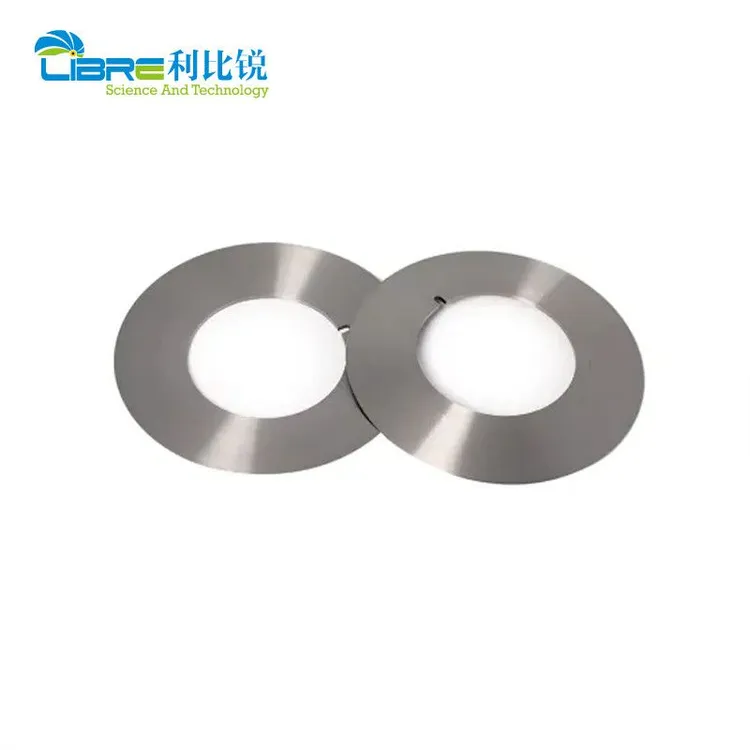
Overview of the Hauni KTH KT2 System
The Hauni KTH KT2 represents a pinnacle in modern tobacco processing technology, engineered to deliver exceptional consistency and high-speed performance for cigarette manufacturing lines. At the heart of this sophisticated machinery lies the precision cutting mechanism, where the Hauni KTH KT2 rotary blade plays a pivotal role in determining final product quality. Understanding the intricacies of this system is essential for plant managers and maintenance engineers who seek to optimize throughput while minimizing waste. The KTH KT2 is not merely a cutting tool; it is a critical component that interfaces directly with the tobacco feed system, requiring exact specifications to maintain the integrity of the cut tobacco strands.
As production demands escalate, the reliability of the cutting system becomes a primary concern for operational efficiency. Downtime associated with blade failures or suboptimal cuts can significantly impact overall equipment effectiveness (OEE). Therefore, selecting the appropriate blade configuration is not just a maintenance task but a strategic decision that influences long-term profitability. Operators must recognize that the performance of the entire KTH KT2 unit is heavily dependent on the material properties and geometric precision of the installed blades. A thorough understanding of these dynamics allows for more informed procurement and maintenance strategies.
Furthermore, the evolution of tobacco processing has introduced new challenges regarding material hardness and moisture content variations. The Hauni KTH KT2 system is designed to adapt to these variables, but its success relies on the compatibility between the machine's drive mechanisms and the blade's structural integrity. By examining the fundamental architecture of the KTH KT2, operators can better appreciate why generic or ill-suited blades often lead to premature wear and inconsistent product quality. This guide aims to provide a comprehensive framework for evaluating blade options within this specific technological context.
Ultimately, the goal of maintaining the Hauni KTH KT2 is to achieve a balance between speed, precision, and cost-efficiency. This requires a deep dive into the technical specifications and operational realities of the cutting process. By focusing on the specific needs of the KTH KT2 environment, this article will serve as a definitive resource for making data-driven decisions regarding blade selection, ensuring that production lines run smoothly and profitably.
Evaluating Blade Materials: Carbide vs. Alloy Steel
Carbide Rotary Blades: Superior Hardness and Precision
When considering the carbide vs alloy steel tobacco cutter blade debate, carbide emerges as the superior choice for high-volume, continuous operations. Carbide blades are composed of tungsten carbide particles bonded with a metallic binder, resulting in a material that is significantly harder than traditional steel. This extreme hardness allows the blade to maintain a sharp edge for extended periods, even when processing abrasive tobacco blends with high silica content. The precision of the cut is enhanced by the material's ability to resist deformation under high-speed rotational forces, ensuring uniform strand length and reduced fines production.
Additionally, carbide blades exhibit excellent thermal stability, which is crucial during prolonged operation where friction generates significant heat. Unlike steel, which can soften and lose its temper at elevated temperatures, carbide retains its structural integrity, preventing edge rolling or chipping. This characteristic is particularly beneficial in modern high-speed cigarette makers where blade speeds can exceed 3,000 RPM. The initial investment in carbide blades is higher, but the reduction in downtime for sharpening and replacement often results in a lower total cost of ownership over the life of the blade.
Alloy Steel Blades: Cost-Effectiveness and Resharpenability
Alloy steel blades remain a viable option for operations with lower throughput requirements or those operating on tighter immediate budgets. These blades are typically made from high-carbon chromium steel, which offers a good balance of toughness and hardness. While they do not match the wear resistance of carbide, alloy steel blades are easier to sharpen in-house using standard grinding equipment. This resharpenability can extend the usable life of the blade significantly, provided that the operator has the skill to maintain the correct edge angle and geometry.
However, the trade-off for lower initial cost is a shorter lifespan and more frequent maintenance interventions. Alloy steel blades are more susceptible to wear and tear, especially when processing tobacco with high moisture or abrasive additives. For facilities that prioritize flexibility and have dedicated maintenance staff capable of frequent sharpening, alloy steel can be a practical solution. Nevertheless, for those seeking to maximize uptime and minimize labor costs associated with maintenance, the long-term benefits of carbide often outweigh the upfront savings of steel.
Lifespan and Maintenance Strategies
Expected Lifespan in High-Volume Production Environments
The tobacco cutter rotary blade lifespan comparison between carbide and alloy steel is stark in high-volume production environments. Carbide blades can last up to ten times longer than alloy steel blades before requiring replacement, depending on the specific tobacco blend and machine speed. This extended lifespan translates to fewer interruptions in production, allowing for more consistent output and reduced changeover times. In facilities running 24/7 shifts, the ability to go weeks or even months without blade replacement is a significant operational advantage.
Conversely, alloy steel blades may require replacement or extensive sharpening every few days or weeks, depending on usage intensity. This frequent maintenance cycle can lead to cumulative downtime that impacts overall production targets. Furthermore, the variability in blade sharpness as an alloy steel blade wears can lead to inconsistencies in cut quality, affecting the downstream processes such as rolling and packaging. Understanding these lifespan dynamics is crucial for planning maintenance schedules and budgeting for consumables.
Maintenance Requirements: In-House Sharpening vs. Professional Service
Maintenance strategies for the Hauni KTH blade replacement process vary significantly based on the material chosen. In-house sharpening of alloy steel blades requires specialized equipment and trained personnel to ensure that the blade's balance and edge geometry are preserved. Improper sharpening can introduce vibrations and imbalance, leading to accelerated wear on the machine's bearings and drive components. For operations with limited technical resources, outsourcing sharpening to a professional service provider may be more cost-effective and reliable.
Carbide blades, due to their extreme hardness, typically require professional diamond-grinding services for resharpening, if resharpening is attempted at all. Many operators choose to replace carbide blades entirely rather than sharpen them, as the cost of professional sharpening can approach the cost of a new blade. This "replace rather than repair" approach simplifies maintenance logistics and ensures that the blade is always at peak performance. Regardless of the material, regular inspection for chips, cracks, or edge degradation is essential to prevent catastrophic failure and ensure product quality.
Technical Specifications and Installation
Hauni KTH KT2 Blade Dimensions and Tolerances
Precision is paramount when it comes to the Hauni KTH KT2 rotary blade specifications. The dimensions of the blade, including its diameter, thickness, and bore size, must strictly adhere to the manufacturer's tolerances to ensure proper fit and function. Even minor deviations can lead to misalignment, causing uneven cutting forces and premature wear on both the blade and the machine. Operators must verify that replacement blades meet the exact dimensional requirements specified in the KTH KT2 technical manual.
Furthermore, the balance of the blade is a critical factor in high-speed operation. An unbalanced blade can cause severe vibrations, leading to poor cut quality and potential damage to the machine's spindle. High-quality blades are dynamically balanced to ensure smooth operation at maximum speeds. When sourcing replacement blades, it is essential to choose suppliers who guarantee balance and dimensional accuracy, as substandard components can compromise the entire production line's performance.
Mounting Interface, Torque Specs, and Alignment
Proper installation of the rotary blade is just as important as the blade material itself. The mounting interface of the Hauni KTH KT2 is designed to secure the blade firmly while allowing for precise alignment. Operators must follow the manufacturer's torque specifications when tightening the mounting bolts to ensure that the blade is held securely without causing stress fractures or deformation. Over-torquing can damage the mounting threads or distort the blade, while under-torquing can lead to slippage and catastrophic failure.
Alignment is another critical aspect of installation. The blade must be perfectly aligned with the anvil or counter-blade to ensure a clean, precise cut. Misalignment can result in ragged edges, increased fines, and excessive wear on the cutting surfaces. Using precision alignment tools and following the step-by-step installation procedures outlined in the service manual is essential for achieving optimal performance. Regular checks of alignment and torque settings should be incorporated into routine maintenance schedules to prevent drift over time.
Strategic Decision-Making for Procurement
Assessing Production Volume and Throughput Requirements
When selecting blades for the Hauni KTH KT2, the first step is to assess the production volume and throughput requirements of the facility. High-volume plants that operate continuously with minimal downtime will benefit most from carbide blades due to their extended lifespan and consistent performance. For these operations, the cost of frequent blade changes and the associated downtime can quickly exceed the savings from using cheaper alloy steel blades. Therefore, evaluating the total cost of ownership, including labor and downtime, is crucial for making an informed decision.
Conversely, facilities with lower production volumes or intermittent operation may find alloy steel blades to be a more practical choice. The lower initial cost allows for greater flexibility in budgeting, and the ability to sharpen blades in-house can further reduce expenses. However, even in lower-volume settings, operators should consider the impact of blade quality on product consistency and downstream efficiency. A small investment in higher-quality blades may yield significant benefits in terms of reduced waste and improved product appeal.
Balancing Budget Constraints with Long-Term Performance
Balancing budget constraints with long-term performance requires a holistic view of the production process. While immediate costs are important, they should not overshadow the long-term implications of blade selection. Investing in high-quality blades that offer superior performance and longevity can lead to significant savings over time. These savings can be realized through reduced maintenance labor, fewer machine interruptions, and lower waste rates. Additionally, consistent cut quality can enhance the final product's marketability, potentially leading to increased revenue.
Ultimately, the decision should be based on a comprehensive analysis of the facility's specific needs, including production volume, maintenance capabilities, and budget limitations. By carefully evaluating these factors, operators can select the blade solution that best aligns with their operational goals. Regularly reviewing performance metrics and adjusting blade selection strategies as needed will ensure that the Hauni KTH KT2 continues to operate at peak efficiency, delivering high-quality tobacco products consistently.
Optimize Your Production Line Today
Don't let suboptimal blade selection compromise your production efficiency or product quality. Whether you require high-performance carbide blades for high-volume operations or cost-effective alloy steel solutions, selecting the right components for your Hauni KTH KT2 is critical for long-term success. Explore our comprehensive range of precision-engineered cutting blades designed specifically for tobacco processing machinery.
Browse our Hauni KTH KT2 Rotary Blades and find the perfect solution to maximize your uptime, reduce waste, and enhance the quality of your tobacco products. Contact our technical support team for personalized recommendations tailored to your specific production needs.
