
Strategic Sourcing for Continuous Production
In the high-stakes environment of tobacco processing, minimizing downtime is paramount. Operators relying on Hauni Protos spare parts often face significant challenges when waiting for original equipment manufacturer (OEM) deliveries. These delays can disrupt entire production lines, leading to substantial financial losses and missed delivery targets. By understanding the critical nature of these components, facility managers can make informed decisions about their supply chain strategies. The goal is not merely to replace a broken part but to ensure the seamless continuity of operations with components that meet rigorous industrial standards.
The transition to compatible replacement solutions offers a strategic advantage for modern processing facilities. While OEM parts guarantee authenticity, they often come with extended lead times and premium pricing structures that strain operational budgets. Compatible alternatives have evolved significantly, offering performance metrics that match or exceed original specifications. This guide explores how businesses can navigate the complexities of sourcing Hauni Protos replacement parts without sacrificing the precision required for high-speed manufacturing. We will examine the technical nuances of key components and the rigorous testing protocols that ensure reliability.
Furthermore, the market for industrial machinery parts has matured, allowing for greater flexibility in maintenance planning. By diversifying suppliers and adopting a proactive approach to inventory management, companies can mitigate the risks associated with single-source dependency. This article serves as a comprehensive resource for engineering teams and procurement officers looking to optimize their maintenance workflows. We will delve into specific component categories, from microwave scanners to cutting mechanisms, providing actionable insights for maintaining peak performance in Hauni Protos systems.
The Challenge of Original Equipment Manufacturer (OEM) Delays
One of the most persistent issues in industrial maintenance is the unpredictability of OEM supply chains. When a critical component fails, the waiting period for an original part can stretch from weeks to months, depending on global logistics and production schedules. For facilities running Hauni machine components at high capacity, this latency is unacceptable. The financial impact extends beyond the cost of the part itself, encompassing lost production hours, overtime labor for emergency repairs, and potential penalties for failing to meet customer orders. Understanding these dynamics is the first step toward building a more resilient maintenance strategy.
Cost Efficiency Without Compromising Quality
Financial constraints often drive the search for alternative sourcing options, but cost should never come at the expense of operational integrity. High-quality compatible parts offer a compelling value proposition, typically costing significantly less than OEM equivalents while delivering identical performance. This cost efficiency allows businesses to allocate resources toward other critical areas of maintenance and improvement. However, achieving this balance requires careful vendor selection and a thorough understanding of material specifications. By prioritizing suppliers who invest in research and development, companies can enjoy lower total cost of ownership without risking machine reliability or product quality.
Technical Deep Dive into Critical Components
Selecting the right Hauni Protos spare parts requires a deep understanding of the technical specifications that govern their performance. Not all components are created equal, and subtle differences in material composition or manufacturing tolerance can have profound effects on machine behavior. This section focuses on two of the most critical elements in the Protos system: the microwave scanner and the cutting knives. Both play vital roles in ensuring product consistency and operational efficiency. By examining the specific requirements of these parts, operators can make more informed purchasing decisions and avoid common pitfalls associated with low-quality substitutes.
The microwave scanner is the eye of the system, providing real-time data on moisture and density. Any deviation in its calibration or signal stability can lead to significant quality issues downstream. Similarly, the cutting knives are subject to extreme wear and tear, requiring materials that can withstand high speeds and abrasive forces. Understanding the engineering behind these components is essential for maintaining the precision that Hauni systems are known for. This technical focus ensures that every replacement part contributes to the overall health and longevity of the machinery.
Moreover, the integration of these components into the broader machine ecosystem demands strict adherence to compatibility standards. A part that fits physically but fails to communicate correctly with the machine’s control system can cause cascading failures. Therefore, it is crucial to source parts that are not only dimensionally accurate but also electronically and mechanically compatible with the specific model of the Protos machine. This holistic approach to component selection helps prevent unexpected downtime and ensures that the machine operates at its designed efficiency.
Microwave Scanner: Ensuring Signal Stability and Accuracy
The microwave scanner is responsible for non-contact measurement of moisture and density in the tobacco stream. Its accuracy is directly linked to the stability of the microwave signal it emits and receives. Compatible replacements must replicate the precise frequency and power output of the original units to ensure consistent readings. Variations in signal strength can lead to incorrect process adjustments, resulting in product waste or non-compliance with quality standards. Suppliers must adhere to strict electromagnetic compatibility (EMC) guidelines to prevent interference with other sensitive electronics in the machine.
Cutting Knives: Hardness Standards and Durability
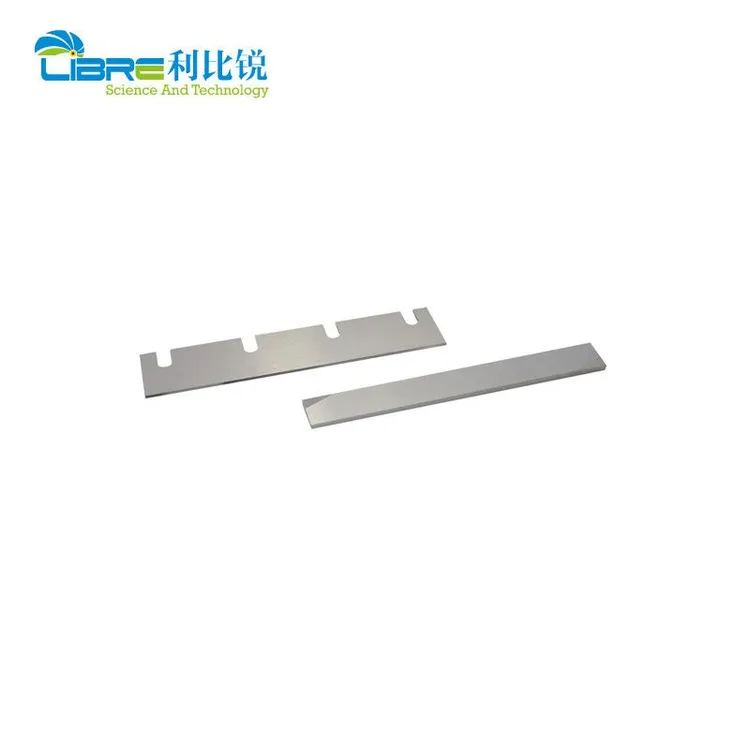
Cutting knives in the Protos system are subjected to immense friction and impact, making material hardness a critical factor in their lifespan. High-quality replacement knives are manufactured from specialized alloys that offer superior wear resistance compared to standard steel. The hardness must be balanced with toughness to prevent chipping or breaking during high-speed operation. Additionally, the edge geometry must be precisely ground to ensure clean cuts, which affects the final product’s texture and burn characteristics. Choosing knives with verified hardness ratings and rigorous heat treatment processes is essential for maintaining long-term cutting performance.
Ensuring Compatibility and Rigorous Testing
Compatibility is the cornerstone of successful Hauni Protos replacement parts integration. With multiple generations of the Protos line, including the 70, 80, and 90 models, each having unique dimensional and functional requirements, a one-size-fits-all approach is ineffective. Suppliers must possess detailed engineering data for each model to ensure that replacement components fit seamlessly into the existing assembly. This involves verifying mounting points, electrical connectors, and communication protocols. By focusing on model-specific engineering, companies can avoid the costly and time-consuming process of modifying parts or machines to accommodate ill-fitting components.
Beyond physical fit, functional testing is equally important. A part may look correct but fail under operational stress. This is why reputable suppliers implement comprehensive testing protocols that simulate real-world conditions. These tests evaluate everything from thermal stability to vibration resistance, ensuring that the part can withstand the harsh environment of a tobacco processing plant. By investing in rigorous quality control, suppliers provide customers with the confidence that their replacements will perform reliably from day one, reducing the risk of premature failure and unplanned downtime.
Furthermore, traceability plays a crucial role in quality assurance. Each batch of compatible parts should be accompanied by detailed documentation, including material certificates and test reports. This transparency allows maintenance teams to verify the quality of the components before installation. In the event of a performance issue, this documentation provides a clear audit trail, facilitating quick resolution and continuous improvement. By prioritizing compatibility and testing, the industry can offer solutions that are not only cost-effective but also technically superior to many OEM offerings.
How We Ensure Fit for Protos 70, 80, and 90 Models
Our engineering team utilizes advanced 3D scanning and CAD modeling to reverse-engineer and validate the dimensions of original components. This process ensures that every replacement part, whether for a Protos 70, 80, or 90, matches the original specifications with micron-level precision. We account for wear patterns and manufacturing tolerances to provide parts that fit perfectly without requiring modification. This attention to detail eliminates the need for trial-and-error installations, saving valuable maintenance time and reducing the risk of damage to surrounding components.
Testing Protocols: From Bench to Production Line
Before any part leaves our facility, it undergoes a series of rigorous tests. On the bench, we conduct electrical continuity checks, signal calibration, and material hardness tests. For dynamic components like knives, we perform wear simulations to estimate lifespan. For electronic parts like scanners, we test signal stability under varying temperature and humidity conditions. These protocols mimic the extreme environments found in production lines, ensuring that only parts meeting our strict quality standards reach our customers. This multi-stage verification process is what sets professional-grade replacements apart from generic alternatives.
Implementation and Maintenance Best Practices
Proper installation is just as important as the quality of the part itself. Even the best Hauni machine components can fail if installed incorrectly. This section provides a guide to the replacement process, highlighting key steps and common mistakes to avoid. By following standardized procedures, maintenance teams can ensure that every replacement is performed efficiently and safely. This not only extends the life of the new parts but also enhances the overall reliability of the machine. A systematic approach to maintenance reduces variability and improves the predictability of machine performance.
Training is another critical factor in successful implementation. Operators and technicians must be well-versed in the specific requirements of each component. This includes understanding torque specifications, alignment procedures, and calibration routines. Investing in training programs ensures that the workforce is equipped to handle replacements correctly, reducing the likelihood of human error. Furthermore, regular maintenance audits can help identify potential issues before they lead to failure, allowing for proactive part replacement rather than reactive repairs.
Documentation and record-keeping are essential for continuous improvement. By tracking the performance of replacement parts over time, maintenance managers can identify trends and make data-driven decisions about future sourcing. This feedback loop helps refine the selection process and improves the overall reliability of the supply chain. By combining technical expertise with disciplined maintenance practices, businesses can maximize the value of their investment in compatible spare parts.
Step-by-Step Replacement Procedures
A successful replacement begins with a thorough safety check, including locking out power sources and releasing any stored energy in the system. Next, carefully remove the old component, noting the position of any fasteners or connectors for easy reassembly. Clean the mounting area to remove debris or old sealant that could interfere with the new part’s fit. Install the new component, ensuring it is seated correctly and secured with the specified torque values. Finally, perform a functional test to verify that the part is operating within normal parameters before returning the machine to production.
Common Pitfalls and How to Avoid Them
One common pitfall is overlooking the condition of surrounding components during replacement. Worn seals, damaged connectors, or misaligned shafts can cause premature failure of a new part. Always inspect the entire assembly area before installing the replacement. Another pitfall is skipping the calibration step after installation. Even a perfectly fitted part may require recalibration to ensure accurate operation. By adhering to a comprehensive checklist and performing post-installation verification, technicians can avoid these common errors and ensure long-term reliability.
Conclusion
Navigating the market for Hauni Protos spare parts requires a balance of technical knowledge, strategic sourcing, and rigorous quality control. By opting for high-quality compatible replacements, businesses can achieve significant cost savings while maintaining the high standards of performance and reliability that their operations demand. The key lies in choosing suppliers who prioritize engineering precision, comprehensive testing, and model-specific compatibility. As the industry continues to evolve, staying informed about the latest advancements in replacement technology will be essential for maintaining a competitive edge.
We encourage you to review our extensive catalog of compatible components, designed to meet the exacting standards of Hauni Protos machines. Our team of engineering experts is available to assist with technical queries and ensure you select the right parts for your specific needs. Don’t let supply chain delays or budget constraints compromise your production efficiency. Explore our solutions today and experience the difference that quality and reliability can make in your operations.
