
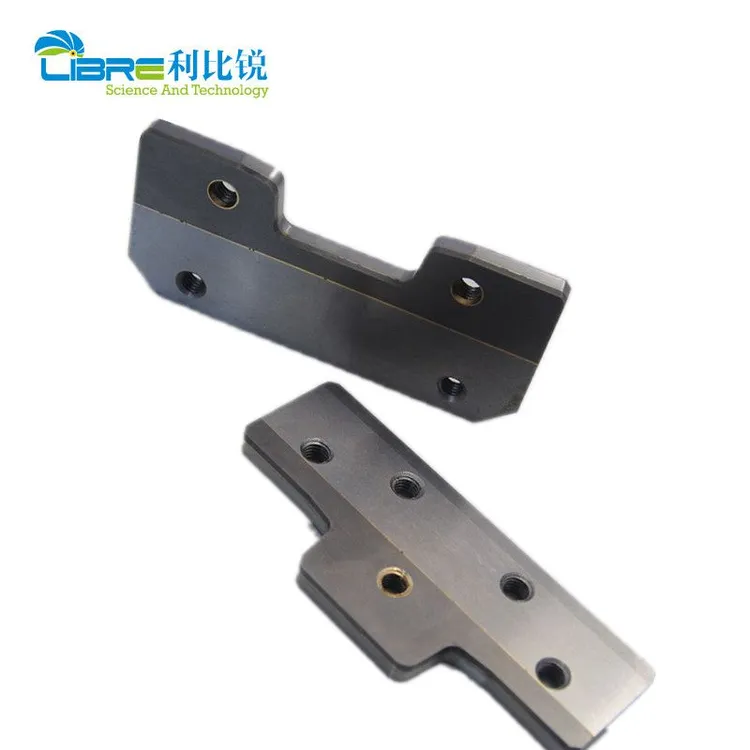
Defining GD Drive Parts in Industrial Contexts
In the realm of industrial automation and material handling, the integrity of power transmission systems relies heavily on the precision and reliability of specific mechanical elements. When engineers and maintenance planners discuss gd parts, they are referring to a specialized subset of components designed to facilitate efficient motion control within conveyor systems, packaging machinery, and assembly lines. These components are not merely generic hardware; they are engineered solutions that ensure synchronized movement, reduced wear, and optimal energy consumption. Understanding the specific role of these parts is crucial for maintaining operational continuity in high-throughput environments where downtime translates directly to significant financial loss.
The term "GD" often denotes specific design standards or proprietary configurations used by major manufacturers to ensure compatibility across complex drive trains. These systems integrate various mechanical interfaces, including shafts, bearings, and mounting brackets, all working in unison to transfer torque from the motor to the driven load. Unlike standard industrial fasteners, gates drive parts are subjected to rigorous stress testing to withstand continuous operational cycles. This includes resistance to thermal expansion, chemical exposure, and mechanical fatigue, ensuring that the drive system remains stable even under fluctuating load conditions.
Furthermore, the definition of these components extends beyond simple mechanical transmission to include precision timing and alignment features. In modern automated facilities, the synchronization between multiple axes of motion is critical. Therefore, gd drive components are often manufactured with tight tolerances to prevent slippage or misalignment, which can cause product damage or equipment failure. By understanding the comprehensive scope of these parts, facility managers can better appreciate the value of investing in high-quality replacements rather than settling for inferior alternatives that may compromise system performance.
Key Components: Rollers, Pulleys, and Tensioners
At the heart of any efficient conveyor or drive system lies a trio of critical elements: rollers, pulleys, and tensioners. These gd parts work in concert to guide, support, and propel materials through the production line. Rollers provide the foundational support for the belt or chain, reducing friction and allowing for smooth movement. Pulleys, on the other hand, serve as the primary interface for power transmission, converting rotational energy from the motor into linear motion. Tensioners play a vital role in maintaining the correct tension on the belt, preventing slippage and ensuring consistent speed regulation.
When evaluating these specific components, it is essential to recognize that gates drive parts are often designed with modular configurations to simplify replacement and maintenance. For instance, rollers may be equipped with sealed bearings to protect against dust and debris, while pulleys might feature crowned surfaces to aid in belt tracking. The material selection for these components is equally important, with options ranging from standard steel to corrosion-resistant alloys or engineering plastics, depending on the environmental conditions of the installation.
Moreover, the integration of these components must be seamless to avoid vibration and noise, which are common indicators of system inefficiency. High-quality gd drive components are engineered to minimize backlash and ensure precise positioning, which is particularly important in applications requiring high accuracy, such as pharmaceutical packaging or electronics assembly. By focusing on the quality and compatibility of rollers, pulleys, and tensioners, businesses can significantly extend the lifespan of their equipment and reduce the frequency of unplanned maintenance interventions.
Rollers, Idler Pulleys, and Drive Sprockets
The selection of rollers, idler pulleys, and drive sprockets is a decisive factor in the overall performance of a material handling system. Rollers, whether straight or tapered, must be chosen based on the weight of the load and the speed of the conveyor. Idler pulleys, which do not transmit power but instead guide the belt, must be aligned precisely to prevent edge wear. Drive sprockets, used in chain-driven systems, require specific tooth profiles to engage correctly with the chain links, ensuring smooth power transfer without excessive wear.
Timing Belts, Chains, and Belt Tracking Systems
Timing belts and chains are the lifelines of synchronized motion, providing positive drive capabilities that eliminate slippage. Gd timing belt parts are designed with high-strength cords and precise pitch dimensions to maintain synchronization under varying loads. Belt tracking systems, which include guide rails and tensioning mechanisms, ensure that the belt remains centered on the pulleys, preventing costly damage and maintaining product quality. Regular inspection of these elements is essential to identify signs of wear, such as fraying or tooth shearing, before they lead to system failure.
Ensuring Compatibility with Existing Equipment
When upgrading or replacing components in an existing industrial setup, compatibility is the paramount concern. Integrating new gd parts requires a thorough assessment of the current system’s specifications, including shaft diameters, mounting hole patterns, and belt pitches. Mismatched components can lead to improper fitment, increased vibration, and accelerated wear, ultimately negating the benefits of the upgrade. Therefore, it is imperative to consult detailed technical drawings and manufacturer specifications before procuring any replacement parts.
Furthermore, compatibility extends to the operational parameters of the system, such as speed, torque, and temperature. Gates drive parts are often engineered to meet specific industry standards, ensuring that they perform reliably within the defined operating envelope of the machinery. By verifying that the new components align with these parameters, engineers can avoid potential bottlenecks and ensure that the upgraded system integrates seamlessly with existing control systems and safety protocols.
Additionally, considering the modularity of modern gd drive components can simplify the compatibility process. Many manufacturers offer interchangeable parts that are designed to fit a range of machine models, reducing the need for custom fabrication. This approach not only saves time during the procurement phase but also ensures that spare parts are readily available for future maintenance needs, enhancing the overall flexibility and resilience of the production line.
Material Durability and Load Capacity Ratings
The longevity of a conveyor system is directly proportional to the durability of its constituent parts. When selecting gd parts, it is crucial to evaluate the material composition and load capacity ratings to ensure they can withstand the demands of the application. High-strength alloys, reinforced polymers, and specialized coatings are often used to enhance resistance to wear, corrosion, and impact. These material properties are particularly important in harsh environments, such as food processing or chemical handling, where hygiene and chemical resistance are critical.
Load capacity ratings provide a quantitative measure of the component’s ability to handle stress without deformation or failure. Engineers must ensure that the selected gates drive parts have a safety margin that exceeds the maximum expected load, accounting for dynamic forces such as acceleration and deceleration. Overloading components can lead to premature failure, causing unplanned downtime and potentially damaging other parts of the system. Therefore, accurate load calculations and adherence to manufacturer guidelines are essential for maintaining system integrity.
Moreover, the environmental conditions of the installation site play a significant role in material selection. For instance, in high-temperature applications, components must be made from materials that retain their mechanical properties under thermal stress. Similarly, in wet or humid environments, corrosion-resistant materials are necessary to prevent rust and degradation. By carefully considering these factors, businesses can invest in gd drive components that offer superior durability and reliability, reducing the total cost of ownership over the lifespan of the equipment.
Common Issues: Slippage, Vibration, and Tracking Errors
Even with high-quality components, conveyor systems can encounter operational issues such as slippage, vibration, and tracking errors. Slippage often occurs when the tension on the belt is insufficient or when the drive pulley surface is worn, leading to a loss of power transmission. Vibration can result from misaligned rollers, unbalanced pulleys, or worn bearings, causing noise and accelerated wear on surrounding components. Tracking errors, where the belt drifts off-center, can be caused by uneven tension, misaligned idlers, or a damaged belt, leading to edge damage and potential system failure.
Addressing these issues requires a systematic approach to troubleshooting. For slippage, increasing tension or replacing worn pulley lagging may be necessary. Vibration problems can often be resolved by realigning components and replacing damaged bearings. Tracking errors require careful inspection of the entire conveyor path, adjusting idler pulleys, and ensuring that the belt is properly seated. By identifying and rectifying these common issues promptly, operators can prevent minor problems from escalating into major breakdowns.
Furthermore, regular monitoring and data collection can help predict potential failures before they occur. Sensors that track vibration, temperature, and belt position can provide early warnings of developing issues, allowing for proactive maintenance. Integrating these diagnostic tools with a comprehensive maintenance strategy ensures that gd parts continue to perform optimally, minimizing downtime and maximizing productivity.
Preventive Maintenance and Lubrication Schedules
A robust preventive maintenance program is essential for extending the life of gd parts and ensuring consistent system performance. Regular inspections should include checking for signs of wear, such as cracks, fraying, or deformation, in belts, rollers, and pulleys. Lubrication is another critical aspect of maintenance, as proper lubrication reduces friction and wear on moving parts. However, it is important to use the correct type and amount of lubricant to avoid attracting dust and debris, which can exacerbate wear.
Establishing a scheduled maintenance routine helps to standardize these inspections and lubrication tasks, ensuring that they are performed consistently. This schedule should be tailored to the specific operating conditions of the equipment, with more frequent maintenance required in high-stress or harsh environments. By adhering to a preventive maintenance plan, businesses can identify and address potential issues before they lead to catastrophic failure, reducing repair costs and extending the lifespan of gd drive components.
Additionally, training maintenance personnel on best practices for handling and maintaining these components is crucial. Proper installation techniques, torque specifications, and alignment procedures can significantly impact the performance and longevity of the system. By investing in employee training and providing the necessary tools and resources, organizations can ensure that their maintenance teams are equipped to keep conveyor systems running smoothly and efficiently.
Evaluating Supplier Reliability and Warranty Options
Choosing the right supplier for gd parts is as important as selecting the right components themselves. A reliable supplier should offer a wide range of high-quality products, technical support, and competitive pricing. It is essential to evaluate the supplier’s reputation, customer reviews, and track record in the industry to ensure they can meet your specific needs. Additionally, consider the supplier’s ability to provide custom solutions or expedited shipping for urgent replacement parts.
Warranty options are another critical factor in supplier selection. A comprehensive warranty provides peace of mind and protects your investment against defects or premature failure. When evaluating warranty terms, pay attention to the duration, coverage, and claim process. Suppliers that stand behind their products with strong warranties are often more confident in their quality and are more likely to provide excellent customer service. By choosing a supplier with a solid warranty, businesses can mitigate risk and ensure long-term value.
Furthermore, building a long-term relationship with a trusted supplier can offer additional benefits, such as volume discounts, priority access to new products, and dedicated account management. This partnership can streamline the procurement process and ensure that you have access to the latest gd drive components and technologies, keeping your operations at the forefront of industrial efficiency.
Streamlining Procurement for Industrial Needs
Efficient procurement processes are vital for maintaining the operational continuity of industrial facilities. By centralizing the sourcing of gd parts and establishing standardized specifications, businesses can reduce lead times and minimize errors. Implementing an inventory management system that tracks usage patterns and predicts future needs can help prevent stockouts and ensure that critical components are always available. This proactive approach to procurement reduces the risk of unplanned downtime and enhances overall supply chain resilience.
Additionally, leveraging digital tools and platforms for ordering and tracking parts can streamline the procurement workflow. Online catalogs, automated reordering systems, and real-time inventory visibility can simplify the purchasing process and provide greater control over spending. By integrating these technologies, businesses can achieve greater efficiency and accuracy in their procurement operations, ensuring that they have the right gates drive parts at the right time.
Finally, fostering strong relationships with multiple suppliers can provide flexibility and redundancy in the supply chain. This strategy ensures that if one supplier faces delays or shortages, alternative sources are available to meet immediate needs. By diversifying the supplier base and optimizing procurement processes, businesses can maintain a steady flow of gd drive components, supporting continuous production and growth.
Evaluating Supplier Reliability and Warranty Options
When selecting a partner for your industrial needs, consider their technical expertise and customer support capabilities. A supplier that offers comprehensive technical documentation and responsive support can help you resolve issues quickly and efficiently. Additionally, look for suppliers that provide training and resources to help your team maximize the performance of their gd parts.
Streamlining Procurement for Industrial Needs
Implementing a strategic procurement plan that aligns with your operational goals can lead to significant cost savings and improved efficiency. By analyzing usage data and negotiating favorable terms with suppliers, businesses can optimize their spending on conveyor belt parts gd and other critical components. This strategic approach ensures that resources are allocated effectively, supporting long-term business success.
Conclusion
Investing in high-quality gd parts and implementing a comprehensive maintenance strategy is
